

 EN
EN


Indoor Air Quality (IAQ) Degradation in Sealed Modern Homes and Needs to Fresh Air System
These days, most modern homes are built to be super energy efficient with really tight seals, but this comes at a cost. The problem is that all these air-tight constructions trap stuff inside like VOCs and other tiny particles we can't see. According to research published last year, carbon dioxide levels inside these tightly sealed houses often go way over 1,400 parts per million, which is actually about three quarters higher than what experts recommend. And guess what happens? People start feeling foggy headed and tired more easily. When there's no proper airflow system running, folks living in these spaces end up breathing in all sorts of chemicals coming off their walls, furniture, cleaning supplies and more. This isn't just uncomfortable either. Some people develop worse asthma attacks or find their allergies getting out of control too bad. Check out the latest findings in Frontiers on Virtual Reality for more details from 2025.
Seasonal Challenges: Inconsistent Ventilation in Winter vs. Summer

When temperatures swing wildly, it really shows how problematic relying on windows for ventilation can be. During winter months, just opening a window lets out as much heat as if someone left a 500 watt space heater going nonstop. The latest HVAC efficiency studies from 2024 show this forces heating systems to work about 30 percent harder than normal. And when summer rolls around, things get even worse. Humidity sneaks inside through those same open windows, boosting indoor moisture levels anywhere from 20 to 40 percent in areas where it already rains a lot. That kind of dampness creates perfect breeding grounds for mold to grow everywhere. Looking at all this back and forth between wasted energy costs and uncomfortable living conditions makes it pretty clear why traditional window ventilation just doesn't cut it anymore against today's air quality expectations.
CO2 Buildup and Its Impact on Health and Comfort
When people are in a room together, their breathing alone can push CO2 levels up between 400 to 600 parts per million every hour. Staying in these high CO2 environments for too long affects how well we sleep at night and slows down our thinking during the day. Studies have found that office workers stuck in stuffy rooms solve problems about half as fast as those in better ventilated areas. The old school ventilation systems just aren't cutting it anymore when it comes to keeping CO2 below that critical 800 ppm mark needed for sharp minds. This becomes even worse in places where multiple people gather all day long such as classrooms, meeting rooms, or shared home workspaces where fresh air simply doesn't circulate properly.
How Balanced Fresh Air Systems Work: HRV, ERV, and System Integration
Core Principles of Balanced Ventilation and Continuous Air Exchange
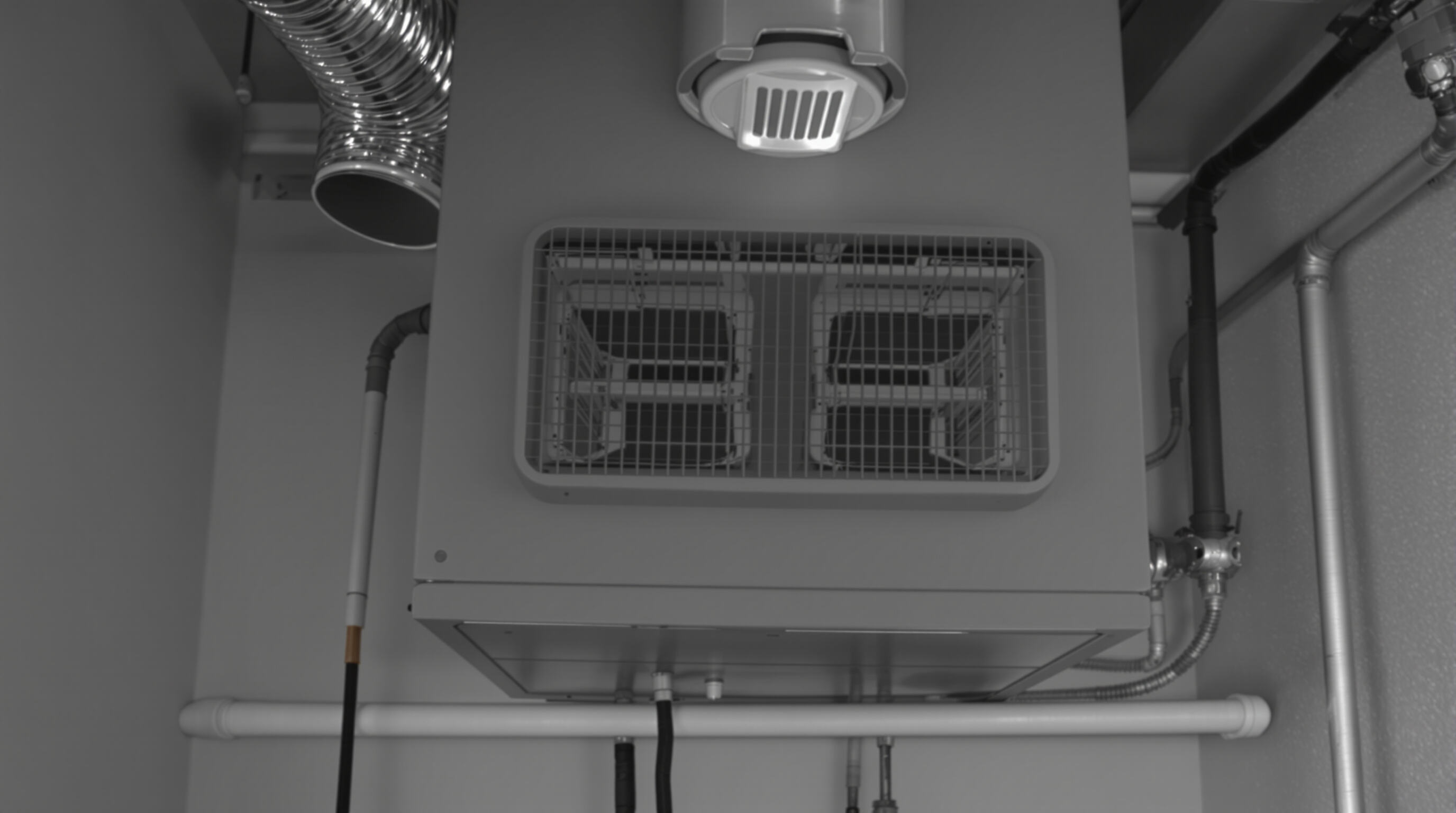
Fresh air balancing systems keep indoor air quality in check by bringing in clean outside air while pushing out the old stuff inside at matching levels. The whole process happens continuously so there's no weird pressure issues going on, plus it ensures good airflow throughout the space. These systems differ from ones that just push or pull air in one direction because they actually have different ductwork for incoming and outgoing air. Many installations also include those fancy HEPA filters which can catch about 98 percent of dust and other tiny particles floating around. According to research published by ASHRAE back in 2023, these filters work pretty well at keeping our breathing spaces cleaner.
| Feature | HRV Systems | ERV Systems |
|---|---|---|
| Heat Transfer | Up to 85% efficiency | Up to 78% efficiency |
| Humidity Control | Limited | Transfers 50–60% moisture |
| Best For | Cold, dry climates | Humid/mixed climates |
Heat Recovery Ventilation (HRV) and Energy Efficiency in Fresh Air Systems
HRVs preheat incoming winter air using warmth from exhaust air, reducing heating loads by 20–35% compared to conventional ventilation (DOE 2022). A 2023 field study in Minnesota homes showed HRVs cut annual HVAC costs by $240–$410 while maintaining CO2 levels below 800 ppm.
ERV vs. HRV: Choosing the Right System Based on Climate and Humidity
Energy Recovery Ventilators, or ERVs as they're commonly called, work really well in places where it gets pretty damp during summer months. These systems basically move moisture from the fresh air coming into the house to the stale air going out, which cuts down on how much extra dehumidification we need by about 30 percent. On the flip side, Heat Recovery Ventilators, or HRVs, are better suited for colder climates because they don't trap as much moisture inside buildings. This actually matters quite a bit when trying to stop mold growth during those long Canadian winters according to research published back in 2021 by Natural Resources Canada. Looking at recent recommendations from the Department of Energy in their 2023 guidelines on ventilation for different climates, they suggest installing ERVs specifically in regions where summer humidity averages above sixty percent most of the time.
Integrating Mechanical Fresh Air Systems with Passive Ventilation Strategies
Hybrid systems combine HRV/ERV units with automated window actuators or stack ventilation to reduce energy use during mild weather. A 2022 UCLA study demonstrated 18% annual energy savings by using sensors to switch between mechanical and natural airflow in California offices.
Health and Comfort Benefits of a Balanced Fresh Air System
Removing Indoor Pollutants and Maintaining Optimal IAQ
Fresh air systems that balance intake and exhaust actually work to catch all sorts of stuff floating around indoors dust, pollen, those pesky VOCs we hear so much about these days, and then bring in clean outside air rich in oxygen. Window opening here and there just doesn't cut it compared to these systems which keep exchanging air at steady rates throughout the day. Studies show this constant filtering can slash indoor pollutants anywhere from about 65% down to maybe even 80%. The thing is, most homes today have all kinds of synthetic stuff furniture, carpets, paints plus cleaners that give off bad chemicals over time. According to a recent building health study from 2023, people living in well-sealed houses with proper balanced ventilation reported roughly 40% fewer asthma flare ups. That's because these systems grab those tiny particles under 2.5 microns that regular filters miss but really irritate sensitive lungs.
Controlling Humidity and Preventing Mold Growth
Keeping indoor humidity levels around 40 to 60 percent helps stop excess moisture from collecting inside walls and throughout HVAC ductwork conditions that would normally allow mold spores to grow and spread. Heat recovery ventilators (HRVs) and energy recovery ventilators (ERVs) work by moving humidity back and forth between fresh air coming into the building and stale air going out. For homes near the coast where humidity tends to run high, these systems cut down on mold related damage to structures by roughly 30 percent when compared with traditional passive ventilation approaches that don't actively manage moisture levels.
Enhancing Respiratory Health and Cognitive Performance Through Better Ventilation
When properly balanced fresh air systems are installed, they bring down carbon dioxide levels under that magic number of 1,000 parts per million. And research shows this drop actually helps people think better too, with studies pointing to around 15 percent improvement in mental processing speed within offices. For folks dealing with allergies, getting more fresh oxygen really makes a difference for their lungs. People who sleep in rooms with constant ventilation tend to get about two and a half extra hours of rest each night compared to those without it. Educational institutions that have gone ahead and put these systems in place across classrooms notice something interesting happening as well. Student attendance rates go up because there are roughly 23 percent fewer days missed when kids aren't battling breathing problems from poor indoor air quality.
Energy Efficiency and Cost Savings of Modern Fresh Air Systems
Reducing HVAC Load with Heat and Moisture Recovery Technology
Fresh air systems today make good use of heat recovery tech which can cut down on HVAC energy costs somewhere around 15 to maybe even 25 percent each year. The basic idea is pretty simple actually - they move heat from the air going out back into the air coming in, so buildings stay comfortable without making the heating or cooling systems work too hard all the time. Some research published last year looked at this stuff closely and reported that heat recovery ventilators typically bring down HVAC usage by about 18 to 22 percent in areas where weather changes throughout the seasons (the study was done by Wang and colleagues). For places that get really humid, there's also moisture recovery technology that makes things better still. These ERV systems handle humidity control much more efficiently than regular air conditioners alone, cutting the workload for dehumidification by as much as thirty percent in some cases.
Long-Term Energy Savings with ERV and HRV Systems
When installed correctly, ERV and HRV systems can cut down on costs by around 20 to 40 percent compared to regular ventilation methods after about five years of operation. Looking at actual homes that have these systems installed, homeowners typically see their yearly energy bills drop somewhere between $120 and $180 for every thousand square feet of living space, especially if they also incorporate those smart airflow control features. For folks living in colder regions, HRV units really shine since they manage to keep about 70 to 85 percent of the heating energy from being lost outside. Meanwhile, ERVs work best in places where humidity is high, helping reduce cooling expenses by roughly 15 to 20 percent thanks to how they handle moisture along with temperature during the heat exchange process.
Evaluating Efficiency: Are All Balanced Ventilation Systems Created Equal?
Performance varies significantly across systems due to three key factors:
| Key Efficiency Driver | Impact on Annual Savings |
|---|---|
| Heat exchanger effectiveness | ±12% energy variation |
| Climate-adaptive controls | ±8% seasonal efficiency |
| Maintenance frequency | ±5% long-term performance |
Leading manufacturers now achieve 90–95% thermal efficiency in lab conditions, though real-world results depend on proper installation and duct design. Third-party certifications like ENERGY STAR® provide reliable benchmarks, with certified models offering 10–15% better efficiency than non-rated counterparts.
Real-World Applications: Case Study of Balanced Fresh Air Solutions
Innovative Fresh Air System Designs From Industry Leaders
Today's ventilation experts are putting together modular fresh air systems that recover over 85% of heat according to DOE data from 2023. They often combine wall mounted HRV units with those clever ERV modules built into ceilings. For homes where space matters most, these setups keep things running smoothly with around 0.35 air changes each hour, which happens to be the baseline needed to get rid of indoor pollutants as set by ASHRAE guidelines. What really makes them stand out though are those smart sensors that detect humidity levels and adjust airflow when CO2 builds up. These features aren't just fancy tech toys they actually make living spaces more comfortable while cutting down on wasted energy at the same time.
Performance in Residential and Educational Environments
Balanced ventilation systems in multi-story apartments reduce HVAC energy consumption by 18–22% compared to window ventilation strategies, according to a 2023 indoor air quality study across four climate zones. In schools, ERV-equipped fresh air systems maintain:
| Metric | Classroom Performance | Baseline (Natural Ventilation) |
|---|---|---|
| CO2 Concentration | ℃700 ppm | 1,400–2,000 ppm |
| Relative Humidity | 45–55% | 35–70% |
| Airborne Particles | Reduced 63% | Uncontrolled |
Hybrid Ventilation Strategies for Schools
When schools combine automated louvers with energy recovery ventilators, they can save around 72% on fan energy costs each year according to research from the National Institute of Building Sciences back in 2023. The system works by letting fresh air flow naturally through buildings on nice days, then switching to mechanical ventilation only when outside air quality drops below acceptable levels for indoor environments. One school district somewhere in the Midwest actually saw their student absences due to asthma drop by nearly a third once they installed these kinds of hybrid ventilation systems together with better filters for capturing airborne particles. Teachers there noticed kids were breathing easier and staying in class more often throughout the day.
FAQ
Why is traditional window ventilation not effective in modern homes?
Traditional window ventilation cannot adequately manage indoor air quality due to sealed modern construction, especially in temperature extremes, leading to problems like increased humidity and heat loss.
What is the main difference between HRV and ERV systems?
While HRV systems are suited for cold, dry climates and focus on heat transfer efficiency, ERV systems manage both heat and moisture, making them ideal for humid climates.
How do ERV and HRV systems improve indoor air quality?
By continuously exchanging indoor and outdoor air, these systems control CO2 levels, humidity, and particulate matter, significantly reducing indoor pollutants and enhancing respiratory health.
Table of Contents
- Indoor Air Quality (IAQ) Degradation in Sealed Modern Homes and Needs to Fresh Air System
- Seasonal Challenges: Inconsistent Ventilation in Winter vs. Summer
- CO2 Buildup and Its Impact on Health and Comfort
- How Balanced Fresh Air Systems Work: HRV, ERV, and System Integration
- Health and Comfort Benefits of a Balanced Fresh Air System
- Energy Efficiency and Cost Savings of Modern Fresh Air Systems
- Real-World Applications: Case Study of Balanced Fresh Air Solutions
- FAQ
