

 EN
EN


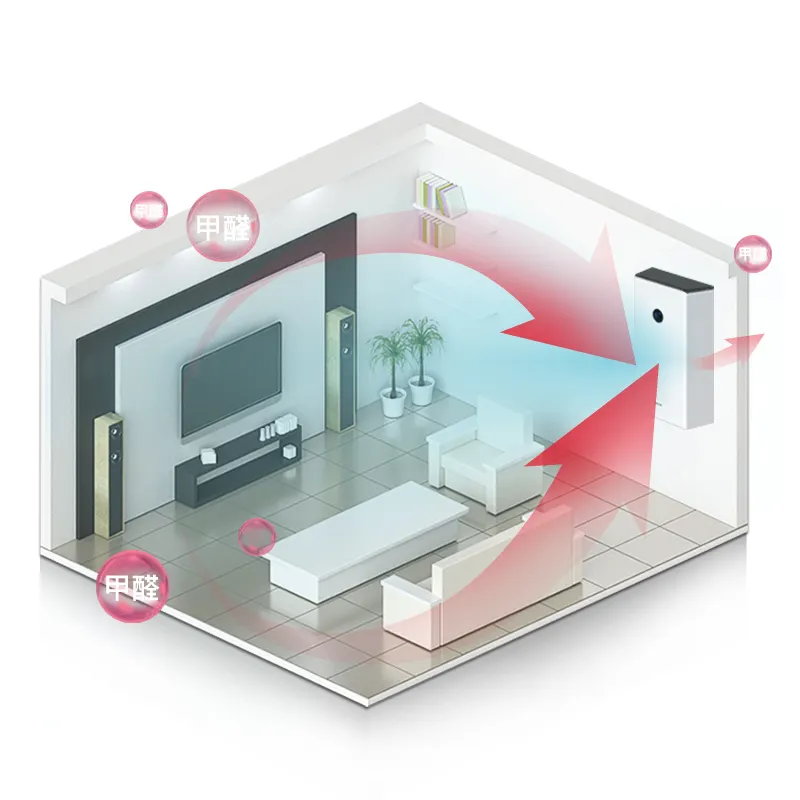
Understanding Fresh Air System Fundamentals
What Is a Fresh Air System and How It Supports Indoor Air Quality
Fresh air systems work by swapping out old stuffy indoor air for clean outside air, all while saving energy thanks to heat recovery technology. According to those industry standards from ASHRAE, these systems can cut down on things floating around in the air like pollen, volatile organic compounds (VOCs), and carbon dioxide by as much as 85%. That makes them pretty essential for today's tightly sealed buildings where poor air quality is becoming a bigger problem. Good designs also include humidity management features which stop mold from growing and keep moisture at healthy levels. Many people actually complain about their indoor air quality because of moisture issues, so getting this part right matters a lot for comfort and health.
Key Differences in Air Distribution: Ducted vs. Ductless Fresh Air Systems
- Ducted systems distribute air through a network of concealed ducts, ideal for whole-building ventilation.
- Ductless systems deliver fresh air directly to individual rooms via wall-mounted units, avoiding structural modifications. While ducted setups achieve uniform airflow, ductless alternatives minimize energy losses from duct leakage common in poorly sealed systems, where up to 25% of conditioned air can be lost.
The Role of Ventilation in Humidity Control and Occupant Health
Effective fresh air systems reduce humidity-related issues by 40-60% in humid climates while curbing airborne viruses through constant air exchange. A 2023 Indoor Air Quality Study found buildings with balanced ventilation reported 30% fewer respiratory complaints compared to naturally ventilated spaces.
Ducted Fresh Air Systems: Whole-House Coverage with Centralized Infrastructure
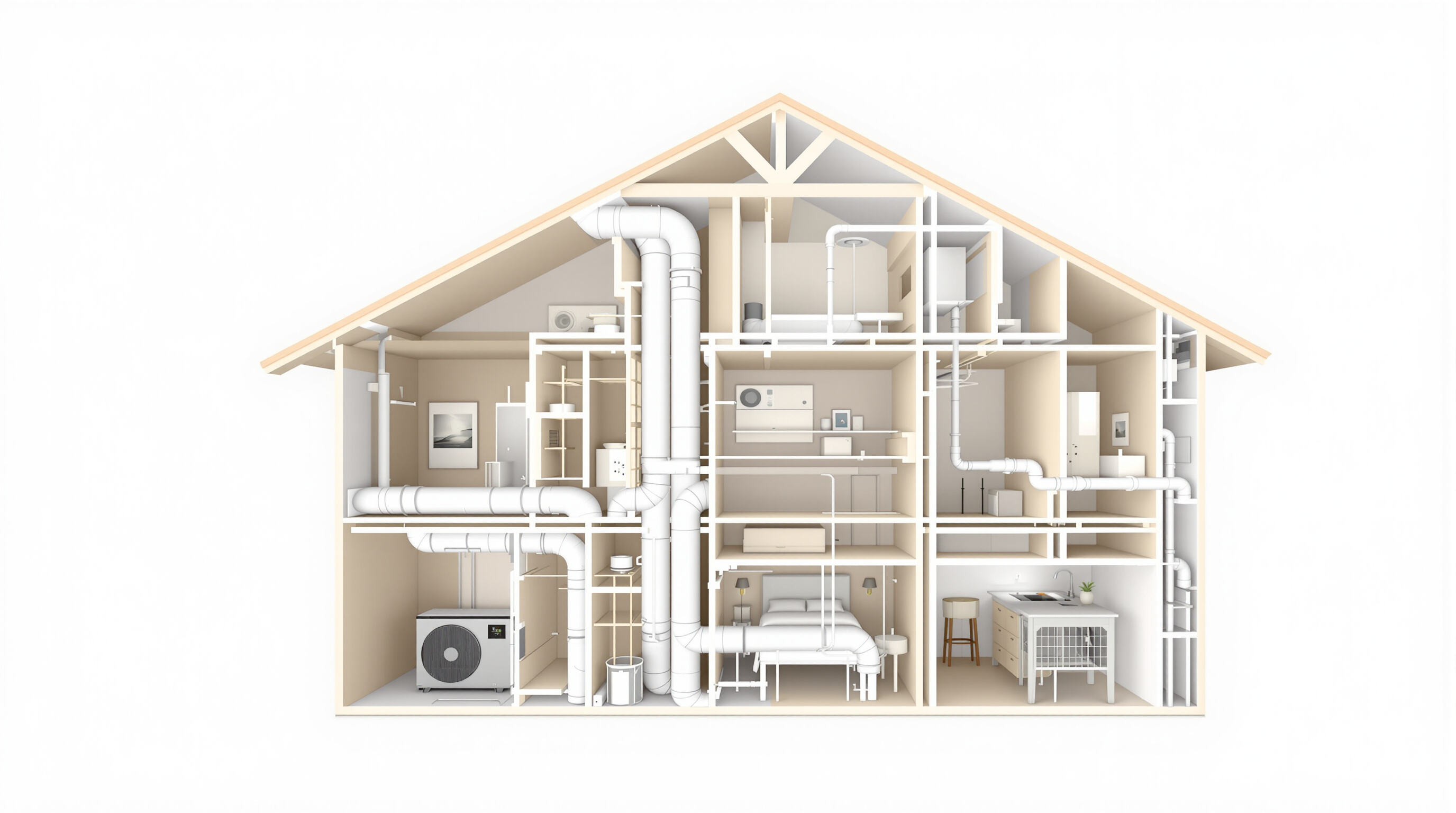
How Ducted Systems Use Hidden Ductwork for Uniform Air Distribution
Fresh air systems that use ductwork provide good ventilation because they allow for air to be distributed evenly through hidden pipes. The air travels from a central unit to all the rooms in a building. The system’s design leverages strategic vent placements to deliver a balanced airflow throughout. What makes ducted systems appealing is their ability to remain mostly out of sight, preserving a building's appearance. Consequently, they’re a favored option in new constructions.
Installation in New Construction vs. Retrofitting Challenges in Older Homes
Installing ducted systems is straightforward during new construction, as these can be built directly into the structural framework without the hassle of altering existing infrastructures. However, their installation can be particularly challenging in older structures due to limited space and the need to respect preservation rules. This generally results in about a one-third increase in labor costs over new builds.
Energy Efficiency and System Performance Concerns About Duct Leakage
Up to 30% of conditioned air may escape through poorly sealed duct joints, according to EPA studies (2023). This significantly lowers energy efficiency by forcing the system to work harder, increasing energy usage by 15 to 25% annually. Therefore, maintaining the sealing of ductwork is critical for ensuring optimal performance and energy conservation.
Indoor Air Quality Benefits of Centralized Filtration in Ducted Setups
Ducted systems with centralized filtration can trap around 98 percent of tiny airborne particles that are at least 0.3 microns in size, including common allergens like dust, pollen, and mold spores. By utilizing one HEPA filter, these systems are generally 40% more efficient in removing particles when compared to setups with separate filters in different areas, which is particularly beneficial for preserving high air quality.
Ductless Fresh Air Systems: Flexible Zoning and Efficient Retrofit Solutions
How Ductless Mini-Split Systems Enable Room-by-Room Climate Control
These systems enable individual rooms to maintain different climate settings, providing the flexibility for specific temperature controls area by area. This is especially useful for managing areas that require different conditioning, preventing energy waste in unused rooms.
Installation Advantages in Tight Spaces and Renovation Projects
Ductless systems provide a significant advantage when installed in tight or historically valuable spaces as they don't require drastic structural changes. They reduce the necessary modifications during retrofits by about 70%, keeping the aesthetic integrity of historical or constricted structures intact.
Zoning Capabilities and Personalized Control
Equipped with zoning capabilities, ductless systems allow users to personalize airflow in each living space. These systems automatically modulate fresh air input in response to room activities, preserving air quality and optimizing energy use.
Energy Efficiency Gains from Inverter Technology and Minimal Air Loss
The integration of smart inverter technology enhances energy savings to between 40 and 50 percent more over time compared to traditional systems. With reduced air leakage compared to ducted systems, families switching to these models save an average of $580 annually.
Installation and Equipment Costs in New Builds Versus Retrofits
Ductless systems offer an easier installation process with costs per room roughly around $2,500, making them a cost-effective choice for renovations of existing buildings by often saving between 10 and 20 percent compared to retrofitting ducted systems.
Long-Term Operational Savings and Maintenance Considerations
With lower maintenance requirements like quarterly filter washes and annual refrigerant checks, ductless systems prove to be more cost-effective in the long run, averaging $0.16 to $0.25 per square foot (National Association of Trade Electricians, 2024). This is compared to ducted systems, which require more frequent and costly maintenance.
Hybrid and Project-Specific Fresh Air System Selection
When to Combine Ducted and Ductless Systems in Large or Mixed-Use Buildings
Mixed-use buildings can reduce energy waste by about 23% by integrating central ductwork for shared spaces with ductless units for individual climate zones.
- High-traffic zones: Utilize centralized ductwork for even air distribution.
- Precision control areas: Utilize ductless systems.
- Adaptive retail spaces: Use zoning for fluctuations in seasonal demand.
Matching Systems to Specific Project Needs
Ducted systems are ideal for new constructions where ductwork can be seamlessly integrated into the building design. In contrast, existing historic structures are usually more amenable to ductless installations during renovations because this avoids invasive changes. In expansions, a hybrid approach can make efficient use of existing infrastructure while enabling new environmental controls in added spaces.
Role of Leading Manufacturers in System Availability and Support
Today’s leading manufacturers offer extensive support to meet project needs effectively. Using hybrid systems, they provide solutions lessening commissioning time by 30%. Their tools and services, including load calculations, maintenance plans, and acoustic optimization, help in better planning and cost management, making complex systems more viable.
FAQ Section
What are the main benefits of a fresh air system?
Fresh air systems are crucial for maintaining high indoor air quality by reducing pollutants like pollen, VOCs, and carbon dioxide by as much as 85% and managing humidity to prevent mold growth.
What are the differences between ducted and ductless fresh air systems?
Ducted systems use concealed ductwork to distribute air evenly throughout a building, which is ideal for new constructions. Ductless systems provide fresh air to each room separately, allowing for flexible zoning and reduced energy consumption.
How do fresh air systems impact energy efficiency?
Fresh air systems with poorly sealed ducts can lose up to 30% of their conditioned air, leading to higher energy consumption. Ductless systems, on the other hand, reduce such air leakage and use inverter technology to achieve energy savings of up to 50% compared to traditional systems.
Table of Contents
- Understanding Fresh Air System Fundamentals
- Ducted Fresh Air Systems: Whole-House Coverage with Centralized Infrastructure
-
Ductless Fresh Air Systems: Flexible Zoning and Efficient Retrofit Solutions
- How Ductless Mini-Split Systems Enable Room-by-Room Climate Control
- Installation Advantages in Tight Spaces and Renovation Projects
- Zoning Capabilities and Personalized Control
- Energy Efficiency Gains from Inverter Technology and Minimal Air Loss
- Installation and Equipment Costs in New Builds Versus Retrofits
- Long-Term Operational Savings and Maintenance Considerations
- Hybrid and Project-Specific Fresh Air System Selection
- FAQ Section
