

 EN
EN


The Hidden Crisis of Indoor Air Quality and Why Fresh Air System Matters
Understanding Indoor Air Quality (IAQ) and Its Impact on Health
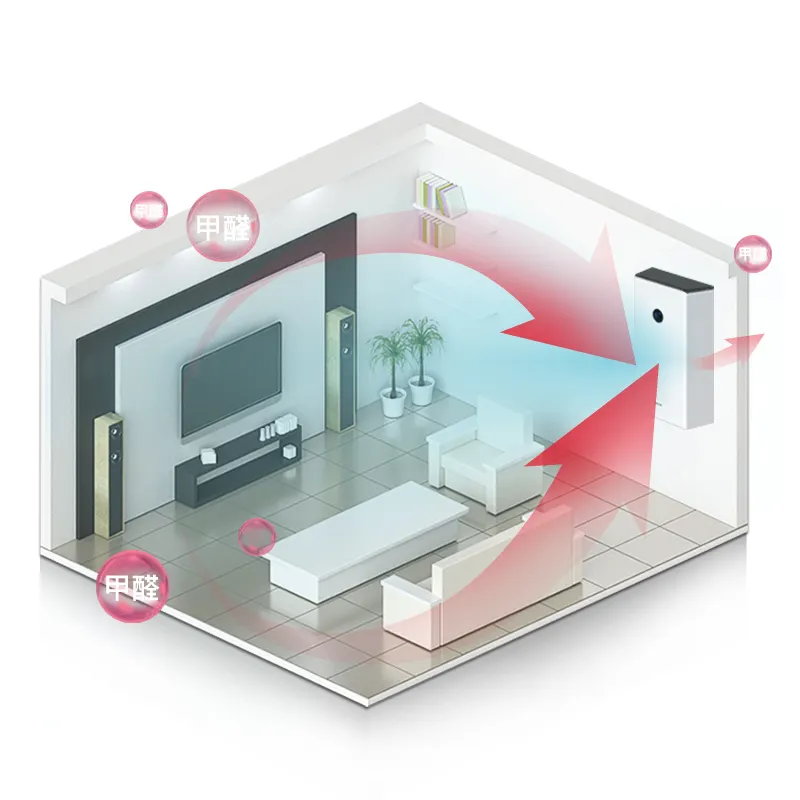
These days, modern homes built with energy efficiency in mind tend to be super insulated, but this comes at a cost. The same features that keep heating bills low also trap all sorts of pollutants inside, making indoor air quality actually worse than what we breathe outside. According to the EPA report from 2025, indoor air can get polluted 2 to 5 times quicker than outdoor air. Most people spend around 90% of their lives inside buildings according to CDC data from 2023, so this matters a lot. We're talking about stuff like VOCs from cleaning products, mold growing in damp corners, and those tiny particles floating around that nobody sees until they start feeling sick. Chronic inflammation and breathing problems become real concerns over time. Certain groups face even greater dangers here. Kids still developing their lungs, seniors with weaker immune systems, and anyone whose health already makes them susceptible to infections all suffer more when exposed to poor indoor air. Headaches become common complaints, while asthma attacks get worse for many families across the country.
Common Indoor Pollutants: VOCs, Allergens, and Airborne Pathogens
A 2024 study highlights three major residential pollutants:
- VOCs: Emitted by cleaning agents, paints, and furniture—levels can spike tenfold after renovations
- Allergens: Dust mites, pet dander, and pollen infiltrate 68% of HVAC systems
- Pathogens: Influenza and similar viruses survive 2.3 times longer in poorly ventilated indoor spaces
Scientific Evidence Linking Poor IAQ to Respiratory and Cognitive Issues
Long-term exposure to PM2.5—fine particles that enter the bloodstream—is linked to a 12% increase in childhood asthma rates (NIH 2024). Adults in high-VOC environments show 17% slower cognitive processing speeds, according to a Journal of Environmental Health trial, underscoring IAQ’s role in both physical and mental well-being.
The Role of Real-Time Air Quality Sensing (PM2.5, VOC, Humidity)
Next-gen IAQ monitors now track key health metrics:
| Metric | Health Threshold | Mitigation Trigger |
|---|---|---|
| PM2.5 | 12 µg/m³ (24h avg) | Activate HEPA filtration |
| VOC | 500 ppb | Increase ventilation |
| Humidity | <30% or >60% | Adjust HVAC settings |
IoT-enabled systems use real-time data to automatically adjust ventilation, reducing indoor pollutant levels by 81% in trials (BMC Public Health 2025). This shift from reactive to proactive air management is increasingly vital as climate change intensifies indoor air challenges.
How a Fresh Air System Delivers Whole-Home Air Purification

Fresh Air System vs. Standalone Air Purifiers: Key Differences and Advantages
Standalone air purifiers work great for individual rooms, but whole home fresh air systems take things further by connecting directly to existing HVAC systems for ongoing ventilation that stays balanced over time. These systems actually bring in clean outside air while pushing out the stuffy indoor kind, tackling everything from dust particles right down to those pesky CO2 levels and tricky humidity problems we all face. A recent study from the American Lung Association (their 2025 Indoor Air Quality Report) showed something pretty impressive about these replacement systems too they cut down on harmful VOCs inside houses by anywhere between half and almost three quarters compared to just running regular recirculating units.
Advanced Filtration Technologies That Remove VOCs, Dust, and Pathogens
Modern fresh air systems employ three-stage filtration:
- Particulate filters (MERV 13+) capture pollen, dust, and PM2.5
- Gas-phase filters neutralize formaldehyde and other VOCs
- Pathogen inhibitors such as UV-C light or bipolar ionization deactivate viruses and bacteria
This multi-layered approach removes 98% of airborne particles as small as 0.3 microns while maintaining airflow rates of 150–300 CFM, ensuring effective whole-home coverage.
Effectiveness in Reducing Smoke, Allergens, and Everyday Indoor Pollutants
Fresh air systems work by replacing around 30 to 50 percent of indoor air every hour, which stops the annoying buildup of pollutants that often happens with those little portable purifiers people stick in corners. According to research from last year, homes with these systems saw smoke particles disappear about 80% quicker than usual, and allergens stayed around for roughly 40% less time compared to regular recirculating models. The constant movement of fresh air through the house actually breaks apart virus clusters too, making it harder for germs to spread around when folks are stuck inside during cold weather months.
Next-Gen Features: Smart Sensors, IoT, and Real-Time IAQ Monitoring
Smart sensors and real-time indoor air quality insights
These smart sensors keep an eye on all sorts of stuff in the air - PM2.5 particles, those pesky VOCs, carbon dioxide levels, plus humidity and temperature readings too. What this does is turn ordinary ventilation systems into something much more than just airflow management. The dashboard shows everything in real time, so people actually know what's going on with their indoor environment. Homeowners get alerts when there's a spike in pollen count or if CO2 starts creeping up beyond safe levels. And here's the kicker: whenever PM2.5 gets too high according to World Health Organization guidelines, the system kicks in with stronger filters automatically. No need for anyone to remember to adjust settings manually.
IoT integration for remote control and smart home compatibility
Connecting fresh air systems to the Internet of Things means they work with smart home setups such as Google Home. People can actually talk to these systems or use their phones to control them from anywhere. Want cleaner air when stepping through the front door? Just set the system to start running while still on the way home. These systems are getting pretty clever too. They check local weather reports automatically so they know when there's bad air outside. Then they decide whether to bring in fresh stuff or keep circulating what's already inside, all while trying not to waste electricity in the process. Makes sense really, nobody wants smoggy air indoors but nobody wants sky high energy bills either.
Case study: Reducing asthma triggers with an IoT-enabled fresh air system
Researchers looked at a house in 2023 where they installed an internet connected system to monitor indoor air quality throughout different seasons. When the sensors picked up high levels of PM2.5 particles and formaldehyde during certain times of year, the system kicked in automatically. It started bringing in fresh outside air more frequently and turned on special filters designed to catch pollutants. After about two months living with this setup, people in the home noticed something interesting - their asthma flares dropped by around three quarters compared to before. They also used their emergency inhalers much less often. This shows pretty clearly that smart systems for managing indoor air really do make a difference when it comes to keeping vulnerable folks healthier.
Energy Recovery Ventilators (ERVs): Efficient Ventilation Without Compromise
How ERVs Balance Fresh Air Intake with Energy Efficiency
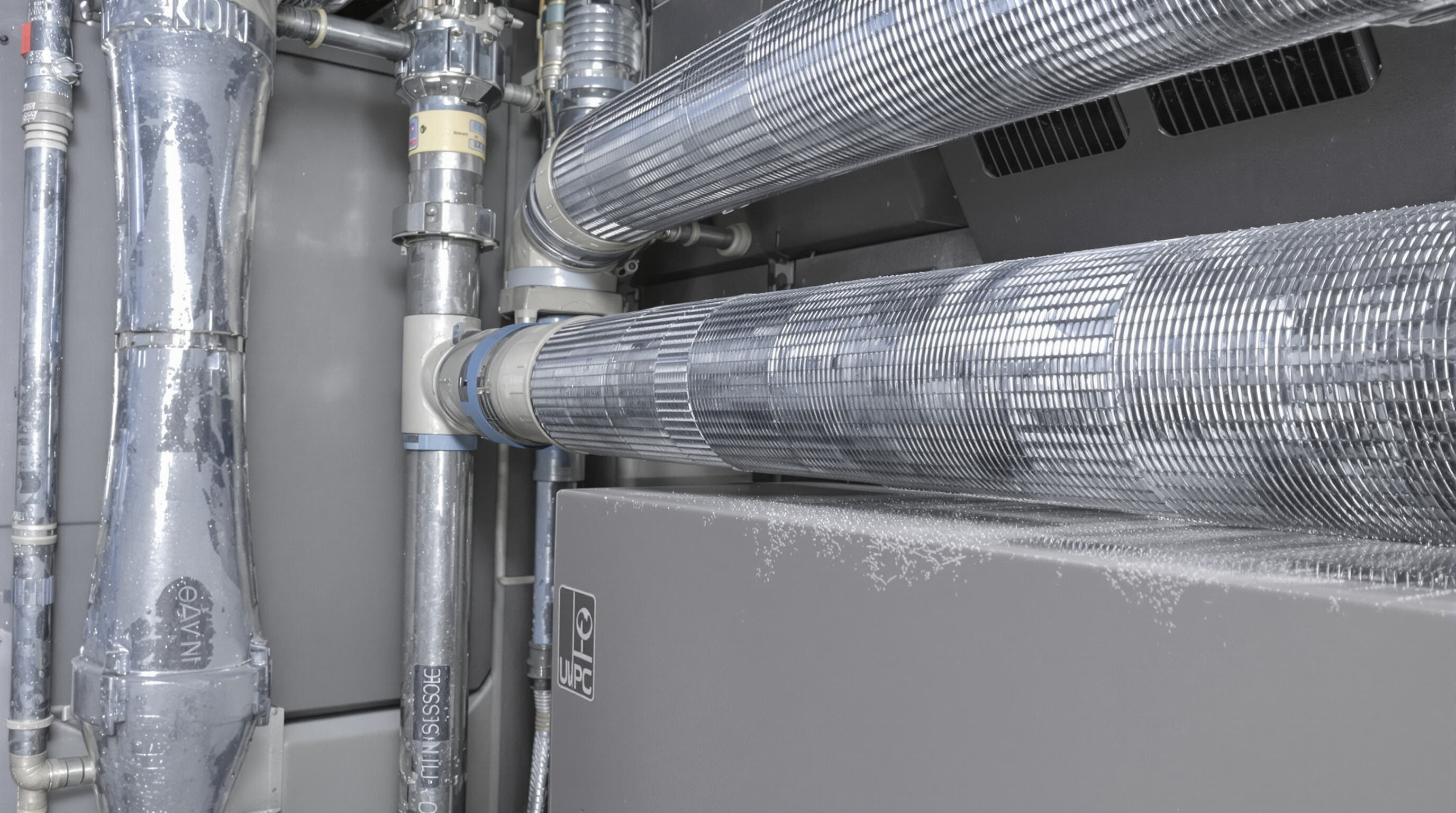
Energy Recovery Ventilators, or ERVs as they're commonly called, bring fresh air into buildings while avoiding the big energy costs that come with regular ventilation systems. These devices work by moving both heat and moisture back and forth between the air going out and the air coming in, which means they can grab around 90 percent of the energy already used to condition the air. Take summer for instance when outside air gets really hot and muggy. The ERV cools this incoming air down and takes away some of the humidity by using the air that's being exhausted from inside. This actually cuts down on how much cooling a building needs during those warm months, somewhere between 20% to maybe even 40% less depending on where exactly the building is located.
Integration of ERVs with HVAC and Smart Building Systems
Today's energy recovery ventilators work pretty well alongside HVAC systems and those fancy smart building setups. They adjust how much fresh air comes in depending on who's around, what the outside air smells like, and all sorts of sensor readings. Take a look at what happens when carbon dioxide or volatile organic compounds start creeping up inside buildings - the better ERVs just kick into high gear and bring in more fresh air automatically. Hook these things up to internet connected thermostats and they'll actually plan when to run based on cheaper electricity rates at night time. This means cleaner indoor air without breaking the bank on power bills, something most building managers appreciate.
Debunking the Myth: Do ERVs Sacrifice Air Purity for Energy Savings?
Most people think ERVs mess with indoor air quality, but that just isn't true anymore. The newer models on the market today actually pair their energy recovery features with really strong hospital level filters. These filters grab about 99 percent of tiny particles as small as 0.3 microns. We're talking stuff like pollen floating around, those pesky mold spores, even the dreaded PM2.5 particles that get deep into our lungs. Labs have tested them independently too, and found that these combined systems cut down on airborne allergens by roughly 85 percent without sacrificing much in terms of energy savings. So yeah, it turns out getting fresh clean air doesn't mean giving up on efficient heating and cooling after all.
The Future of Fresh Air: Sustainability, Smart Tech, and System Integration
Energy Efficiency and Sustainability in Next-Gen Ventilation Systems
Modern fresh air systems now use energy recovery tech that keeps around 70 to maybe even 90 percent of the heat during those ventilation cycles. Some of the newer models come with humidity controlled ERVs combined with solar powered airflow features, which can slash HVAC energy consumption by about half according to tests done in controlled climates. These systems are built to satisfy the latest ASHRAE Standard 62.2-2025 guidelines. They typically provide between 4.5 and 6.5 complete air exchanges every hour for standard sized homes around 2,500 square feet. The result is better indoor air quality without breaking the bank on energy costs, making them a smart choice for anyone looking at long term sustainability in home ventilation solutions.
Emerging Trends in Smart Buildings and IAQ-Driven Automation
IoT-enabled systems now use CO2/VOC sensors and weather APIs to make real-time adjustments. A 2025 Smart Building Trends study found that facilities using predictive IAQ automation reduced allergy-related complaints by 41% annually. Innovations include:
- Self-calibrating particulate sensors with ±3% accuracy
- Machine learning models that anticipate pollution using traffic and industrial data
- Automatic damper control during wildfire smoke events
Growing Demand for Intelligent Fresh Air System Integration in Modern Homes
Per 2025 NAHB housing data, 63% of new construction projects now require smart whole-house ventilation. Homeowners seek systems that:
- Sync with smart thermostats using occupancy data
- Offer mobile dashboards tracking PM2.5, VOC, and CO2 trends
- Automate purging cycles before peak energy rate periods
Recent implementations show that IoT-enabled systems achieve 34% energy savings through coordinated HVAC and fresh air optimization in multi-zone homes—proving intelligent integration is both a health and economic imperative.
FAQ
Why is indoor air quality worse than outdoor air?
The insulation in modern homes traps pollutants which elevates indoor air pollution levels higher than outdoor ones.
What are VOCs and why are they harmful?
VOCs, or Volatile Organic Compounds, are emitted by products like cleaning agents and paints, and can lead to significant health problems when accumulated indoors.
How can poor indoor air quality affect health?
Poor indoor air quality can result in respiratory issues, headaches, and worsen conditions like asthma.
What is a fresh air system and how does it work?
A fresh air system connects to HVAC to bring in clean outdoor air and expel indoor air, reducing pollutants and maintaining balanced air circulation throughout a home.
Table of Contents
- The Hidden Crisis of Indoor Air Quality and Why Fresh Air System Matters
- How a Fresh Air System Delivers Whole-Home Air Purification
- Next-Gen Features: Smart Sensors, IoT, and Real-Time IAQ Monitoring
- Energy Recovery Ventilators (ERVs): Efficient Ventilation Without Compromise
- The Future of Fresh Air: Sustainability, Smart Tech, and System Integration
- FAQ
