

 EN
EN


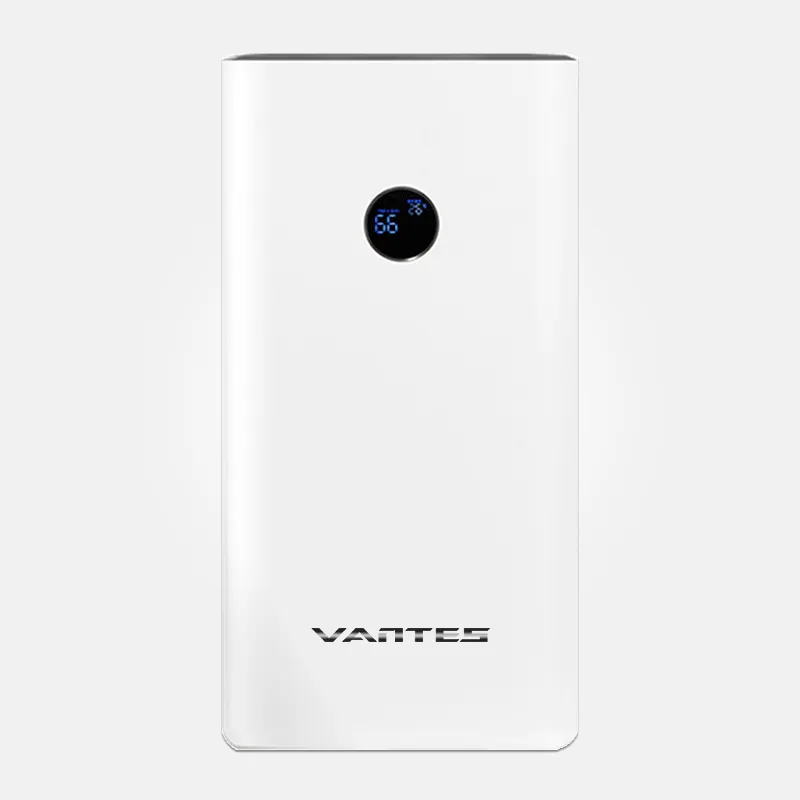
Protecting Health with Superior Indoor Air Quality
How Fresh Air Systems Reduce Allergens, Pollutants, and Viral Risks
Innovative fresh air systems combat these risks through multi-stage filtration, with research showing MERV 13 filters capture 90% of airborne particulates while maintaining energy efficiency. Continuous air exchange mechanisms dilute viral loads by 80% compared to recirculating HVAC systems.
The Hidden Dangers of Poor Indoor Air Quality: A Silent Threat to Health
Poor indoor air quality sits near the top of global environmental health threats according to experts. The WHO has connected long term breathing of polluted indoor air to roughly one third of all avoidable lung problems worldwide. These days, many buildings are so tightly sealed against outside elements that they actually become traps for harmful substances like VOCs, fine particles known as PM2.5, and CO2. Levels inside can reach ten times what's found outdoors, which means people are constantly inhaling these pollutants without even realizing it. This creates serious long term health concerns for anyone spending significant time indoors.
Case Study: Improving IAQ in Commercial Buildings and Boosting Occupant Satisfaction
A 12-month office building trial demonstrated a 62% reduction in sick days after installing demand-controlled ventilation. Employee productivity scores increased by 19%, validating the business case for smart IAQ management.
Air Purification Integration: Enhancing Health Through Advanced Filtration
Modern systems combine three critical defenses:
- Polarized-media filters capturing 99.6% of PM0.3 particles
- UV-C photocatalytic oxidation neutralizing organic pathogens
- Carbon adsorption layers eliminating odors and VOCs
This layered approach reduces asthma triggers by 78% according to recent indoor air quality trials, proving essential for allergy-prone environments.
Preventing Mold and Managing Humidity for Healthier Spaces
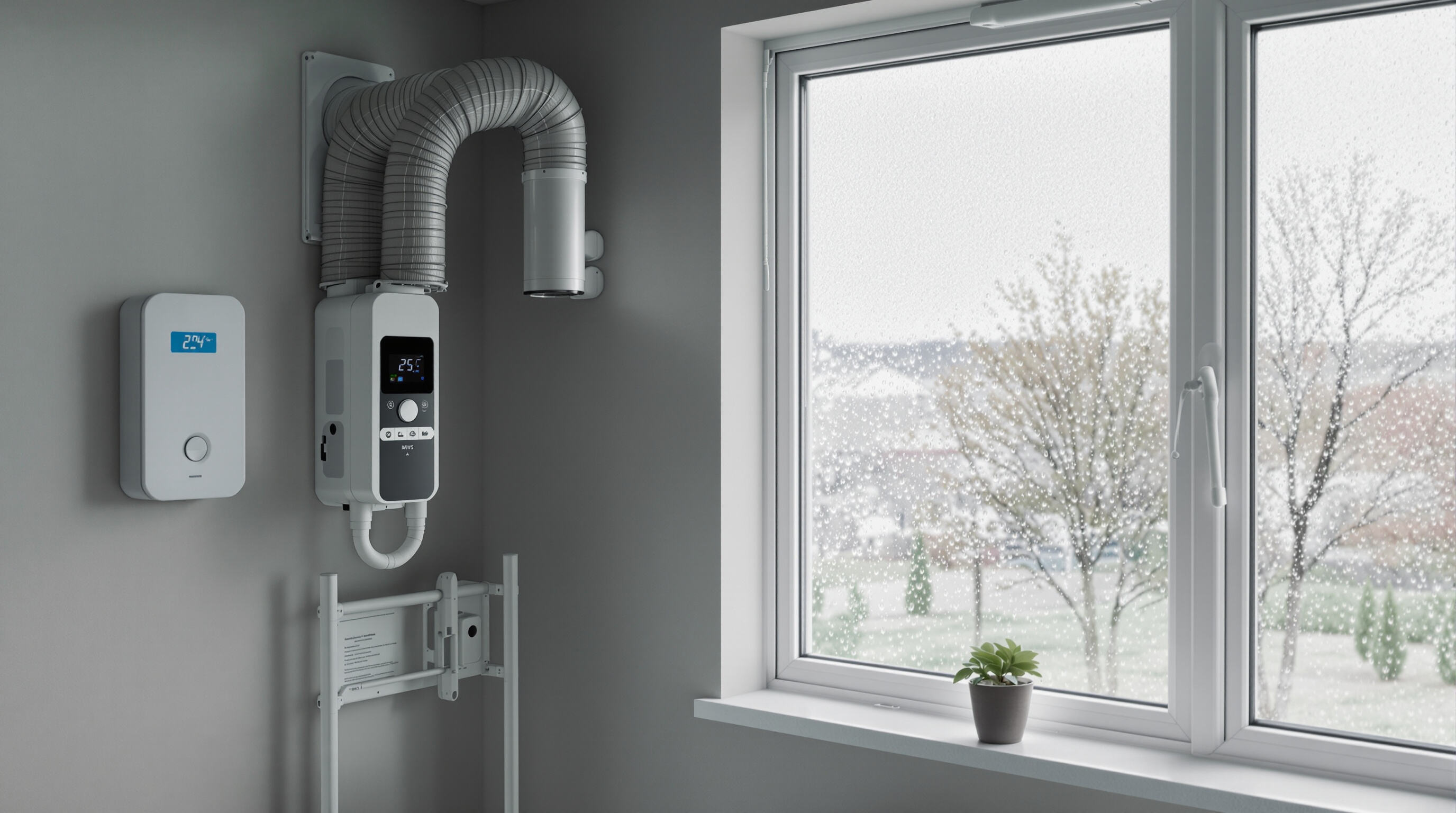
How Fresh Air Systems Control Humidity and Stop Mold at the Source
Fresh air systems help stop mold from growing by keeping indoor humidity levels around 30 to 50 percent, which is what the Environmental Protection Agency considers safe for preventing mold issues. The way these systems work is pretty straightforward actually they keep replacing old, wet air inside with clean air from outside through filters, making it harder for those pesky mold spores to find their ideal living conditions. Bathrooms and basements are special cases since humidity there can easily go above 60%. That's why many modern systems come equipped with built-in sensors that detect when things get too moist and then kick into high gear with extra strong ventilation to protect these vulnerable spots before any damage happens.
Humidity Control Performance
| Humidity Level | Mold Risk | System Response |
|---|---|---|
| <50% | Low | Standard Ventilation |
| 50–60% | Moderate | Boosted Air Exchange |
| 60% | High | Full Dehumidification Mode |
Balanced Humidity for Improved Comfort and Long-Term Structural Integrity
Maintaining indoor humidity around 45%, give or take 5%, actually provides two main advantages. People living or working in these spaces tend to have fewer issues with their breathing when the air isn't too dry or overly damp. At the same time, this stable environment helps protect building materials from those constant expansion and contraction cycles that can really mess with wooden floors and eventually ruin drywall surfaces. According to some recent studies from ASHRAE back in 2023, keeping things balanced like this cuts down on how long heating and cooling systems need to run. The numbers show about an 18 to 22 percent reduction in operation time compared to buildings without proper ventilation, since the systems don't have to fight against extreme moisture levels all the time.
Health and Cost Benefits of Eliminating Mold and Mildew
The CDC links mold exposure to 21% of childhood asthma exacerbations, making proactive humidity control a preventive health measure. Financially, buildings with fresh air systems report 34% lower remediation costs over 10 years by avoiding mold-related repairs to walls, insulation, and HVAC ductwork.
Energy Efficiency and Decarbonization Through Smart Fresh Air Systems
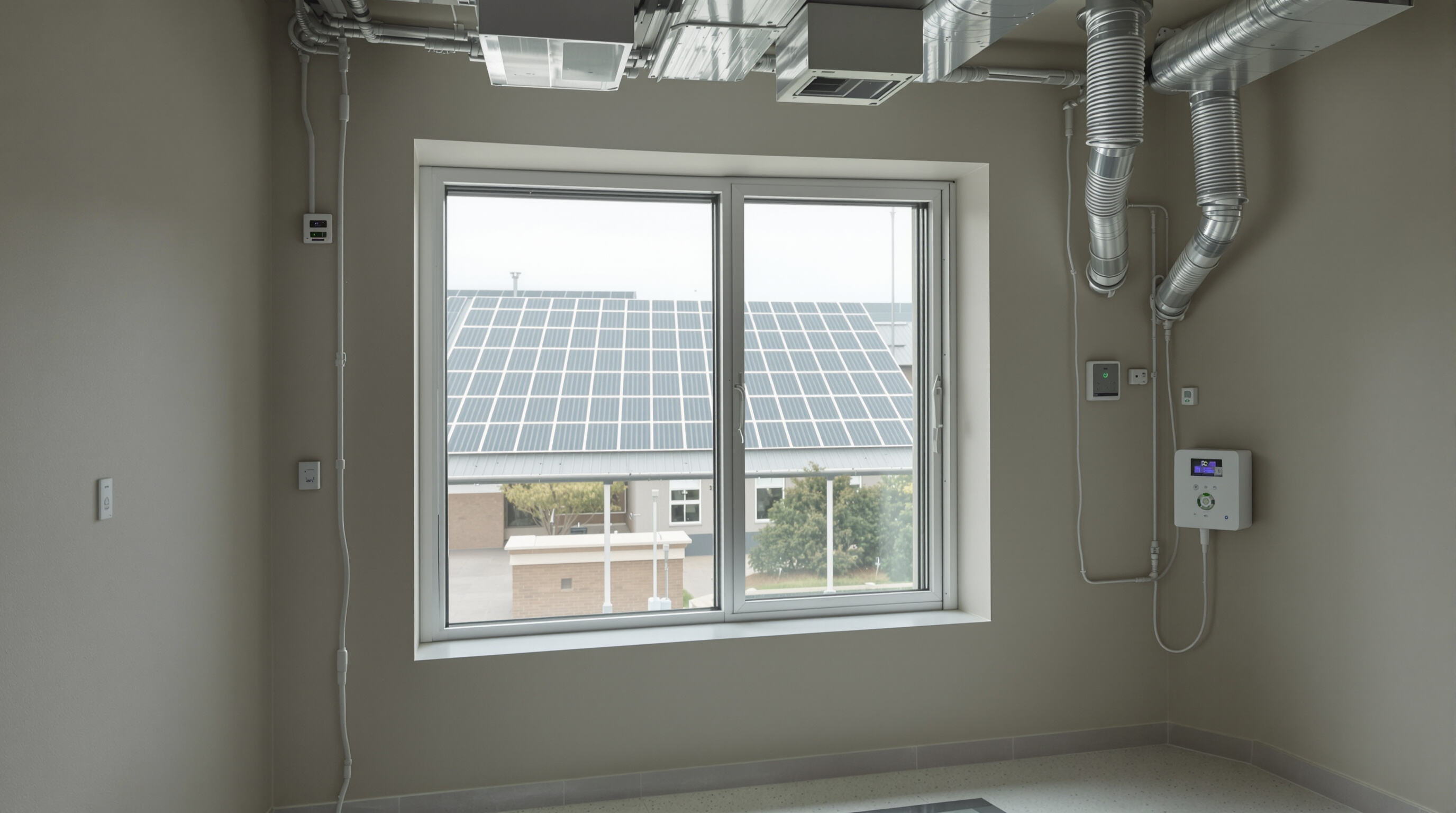
Modern fresh air systems have evolved into strategic tools for achieving energy efficiency and decarbonization targets. By optimizing air exchange while minimizing thermal losses, these intelligent solutions address two critical priorities in building operations: occupant health and environmental responsibility.
Mechanical Ventilation with Heat Recovery (MVHR) for Maximum Energy Efficiency
MVHR systems can recover around 90-95% of the heat from outgoing air, which really cuts down on the need for extra heating or cooling. According to some recent studies in the field of decarbonization, businesses have seen anywhere between 10% to almost 40% less energy usage after installing these heat recovery systems. The investment typically pays off within five years or so in areas with moderate weather conditions. These systems work especially well where fresh air needs constant replenishment. Think about places like labs where experiments require strict air quality control, or hospitals maintaining sterile environments. The continuous operation makes these facilities perfect candidates for MVHR installation.
Reducing Carbon Emissions with Intelligent Ventilation Technologies
Modern smart systems use IoT sensors along with machine learning algorithms to tweak airflow depending on who's actually present in a space and what the pollution levels are at that moment. The demand controlled ventilation approach cuts down on fan energy consumption somewhere between 30% to maybe even 50%, all while keeping CO2 concentrations under 800 ppm as recommended. Buildings that connect these systems to solar panels or wind turbines often run completely carbon neutral during those times when nobody needs heating or cooling anyway. Some commercial offices have already implemented this setup and report noticeable savings on their utility bills without sacrificing indoor air quality.
Aligning HVAC Systems with Net-Zero Goals Through Smart Fresh Air Solutions
Forward-thinking facilities combine MVHR with building automation systems to align ventilation schedules with occupancy patterns and weather forecasts. This synchronization helps reduce unnecessary air changes during unoccupied periods, contributing to the 55% reduction in operational carbon emissions required for 2030 climate targets.
Balancing Optimal Air Exchange with Energy Conservation: Resolving the Trade-Off
Advanced algorithms optimize the equilibrium between ASHRAE-recommended air changes (4–6 ACH) and energy consumption. Variable-speed ECM motors maintain precise airflow control, cutting energy waste from over-ventilation by 18–22% annually. This smart balancing act enables 30% better energy efficiency than code-minimum ventilation systems.
Extending HVAC Lifespan and Lowering Operational Costs
How fresh air systems reduce HVAC strain and extend equipment life
Fresh air systems cut down on mechanical stress for HVAC equipment because they get rid of those pesky things that make them cycle too much. When fresh air comes in already conditioned properly, heat pumps aren't forced to work overtime fixing problems caused by drafts coming through windows and doors. The result? Compressors and blower motors run about 35% less each year according to some studies from ASHRAE last year, which means less wear and tear on all those moving parts inside. Since there's not so much strain during operation, good quality ventilation actually makes equipment last longer than what manufacturers typically predict. This extended lifespan saves money in the long run as companies can put off buying new systems for several years longer than expected.
Long-term cost savings from lower maintenance and energy use
Fresh air ventilation systems actually save money in the long run because they cut down on resource usage across the board. When buildings have proper air exchange, it stops those pesky problems like frozen coils during winter months and compressor meltdowns when temperatures soar in summer these are basically the top reasons why HVAC techs get called out in emergencies. The real kicker comes from heat recovery features that move existing thermal energy around instead of constantly trying to create new climate conditions from scratch. Most facilities report around 40 percent savings on maintenance costs compared to old school systems after about ten years of operation, plus overall building expenses drop significantly too. Makes sense why more property managers are making this switch nowadays.
FAQs
What is the main cause of poor indoor air quality?
Poor indoor air quality is mainly caused by the accumulation of pollutants like VOCs, PM2.5, and CO2, often due to tightly sealed buildings that trap these substances.
How do fresh air systems help in reducing viral risks?
Fresh air systems reduce viral risks by using multi-stage filtration and continuous air exchange mechanisms that dilute viral loads significantly, compared to standard HVAC systems.
What benefits do fresh air systems offer in terms of energy efficiency?
Fresh air systems contribute to energy efficiency by optimizing air exchange, minimizing thermal losses, and incorporating technologies like Mechanical Ventilation with Heat Recovery (MVHR) to reduce energy consumption.
How do fresh air systems protect against mold?
Fresh air systems maintain indoor humidity levels between 30 to 50 percent, preventing mold growth by replacing moist indoor air with clean, filtered air from outside.
Table of Contents
-
Protecting Health with Superior Indoor Air Quality
- How Fresh Air Systems Reduce Allergens, Pollutants, and Viral Risks
- The Hidden Dangers of Poor Indoor Air Quality: A Silent Threat to Health
- Case Study: Improving IAQ in Commercial Buildings and Boosting Occupant Satisfaction
- Air Purification Integration: Enhancing Health Through Advanced Filtration
- Preventing Mold and Managing Humidity for Healthier Spaces
-
Energy Efficiency and Decarbonization Through Smart Fresh Air Systems
- Mechanical Ventilation with Heat Recovery (MVHR) for Maximum Energy Efficiency
- Reducing Carbon Emissions with Intelligent Ventilation Technologies
- Aligning HVAC Systems with Net-Zero Goals Through Smart Fresh Air Solutions
- Balancing Optimal Air Exchange with Energy Conservation: Resolving the Trade-Off
- Extending HVAC Lifespan and Lowering Operational Costs
- FAQs
