

 EN
EN


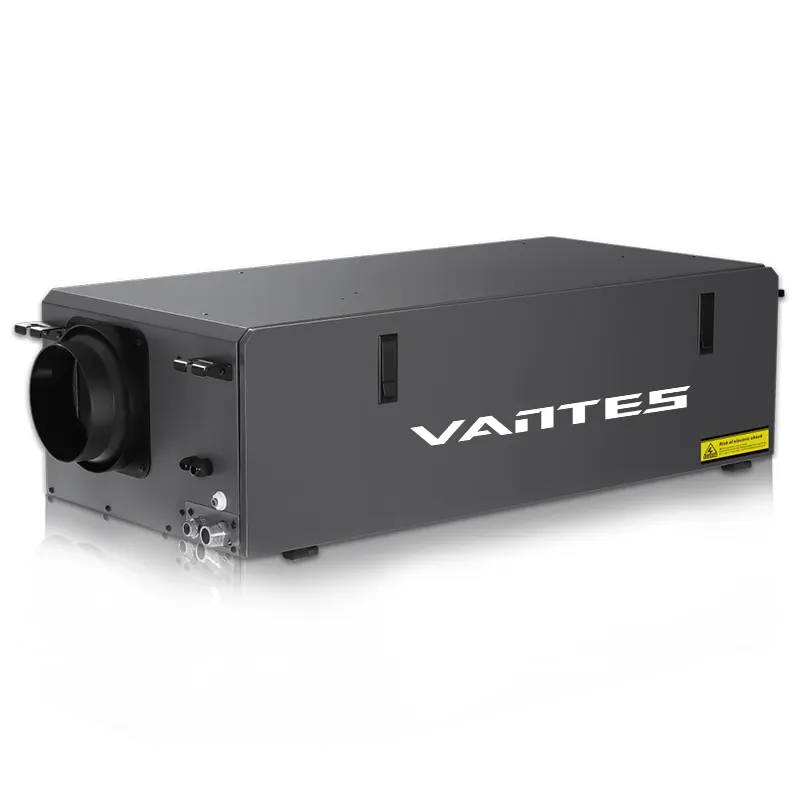
Why Indoor Air Quality Matters: The Health and Performance Impact of Fresh Air Systems
Understanding ventilation and indoor air quality dynamics
Good ventilation works by swapping out stale indoor air for fresh air from outside, which helps cut down on stuff like VOCs, allergens, and those tiny particles we all hate breathing in. These days most modern systems are pretty smart about it too, adjusting how much air moves through so they keep humidity at comfortable levels without wasting power. The numbers tell an interesting story actually. When buildings don't get enough fresh air circulating properly, 環境壓力 inside can build up anywhere between two to five times what's found outside. Environmental health researchers have been tracking this for years now, showing just how important regular air exchanges really are for our well being.
How poor IAQ impacts health and cognitive performance
Bad indoor air quality really takes a toll on people's health. It causes breathing problems and makes existing issues like asthma much worse. When someone stays in these environments for extended periods, their heart has to work harder and their lungs just don't function as well over time. According to some recent research published last year, when carbon dioxide levels go past 1,000 parts per million, people start making decisions that are 11 to 23 percent slower. Their brains also process information at about half the normal rate. Companies might not realize this but employees working in spaces with poor ventilation tend to take around 30% more days off because of all sorts of airborne stuff irritating them. It's actually quite significant when considering overall workplace productivity and employee wellbeing.
| Health Impact | Cognitive Effect | Economic Consequence |
|---|---|---|
| Headaches & fatigue | 15% slower response times | $740k productivity loss |
| Asthma exacerbation | 20% focus reduction | Increased medical costs |
| Allergy amplification | Impaired complex reasoning | Higher absenteeism |
The link between ventilation and infectious disease control
When buildings have good airflow, they tend to stop germs from spreading through the air much better. Research shows that getting around six fresh air exchanges every hour can slash the chance of viruses moving between people by roughly 80 percent when compared to stuffy rooms without proper ventilation. Medical facilities that upgraded their ventilation systems saw about half as many cases of airborne diseases during recent health crises. The Centers for Disease Control actually recommends keeping indoor air fresh as a primary defense against diseases that travel through tiny droplets in the air, something many folks still overlook despite all the cleaning products available these days.
Rising occupant expectations for healthier indoor environments
Air quality has become just as important to building occupants as temperature control these days. The numbers back this up too - according to WELL and LEED certification reports, around 70% of tenants actually prefer spaces where they can see real time indoor air quality readings. Facility managers are starting to track how their ventilation systems perform when it comes to ESG metrics. And looking at recent trends, about 89% of commercial lease agreements now have some sort of IAQ requirement built in, based on 2024 real estate market findings. All of this makes good ventilation not just a nice feature anymore, but pretty much a must have if property owners want to stay competitive in today's market.
Energy Efficiency and Sustainability: How Modern Fresh Air Systems Cut Costs and Carbon

Dual-flow mechanical ventilation (VMC double flow) for energy efficiency
Dual-flow mechanical ventilation systems balance supply and exhaust airflow while recovering heat between incoming and outgoing air streams. This design reduces heating and cooling demands by 30—40% compared to single-flow systems, especially in climates with extreme seasonal temperatures (Energy Efficiency Journal).
Heat recovery ventilation (MVHR) and its role in sustainable design
MVHR systems can actually capture around 95% of the heat from air that gets exhausted, which means buildings don't have to work so hard to maintain temperature. Recent studies looking at commercial buildings retrofitted with these systems show something pretty impressive. When paired with smart control systems, they cut down on carbon emissions by about 18 metric tons for every 10,000 square feet of space. To put that into perspective, it's roughly the same as taking four regular gas burning cars off the road completely. The industry has really caught on to this tech now. It plays a key role in those ambitious net-zero building standards everyone keeps talking about these days, including things like Passive House requirements and LEED certification programs.
Data insight: Energy savings from Zhejiang Embang's MVHR installations
A 2023 case study of 42 commercial buildings using Zhejiang Embang Environmental Equipment CoLtd's MVHR systems revealed:
| Metric | Average Improvement | Payback Period |
|---|---|---|
| Heating costs | 42% reduction | 2.8 years |
| CO₂ emissions | 37% reduction | — |
These results highlight how strategic ventilation upgrades align economic and environmental sustainability goals.
Future trends in energy-efficient ventilation and heat recovery
New developments in thermal storage using phase change materials along with AI optimized airflow control are changing how we think about modern ventilation systems. According to market analysis reports, the adoption rate for these advanced heat recovery technologies is growing at around 22% per year until 2030. This uptick makes sense when looking at tighter building regulations and companies setting ambitious carbon reduction goals. We're seeing hybrid setups that merge mechanical ventilation with heat recovery (MVHR) and solar or wind power becoming increasingly common. These integrated solutions seem poised to dominate climate responsive architecture going forward as builders seek both efficiency and sustainability.
Advanced Filtration and Smart Monitoring: Ensuring Clean and Intelligent Air Delivery

High-end air filtration using HEPA and activated carbon filters
Premium MVHR units feature hospital-grade HEPA filters that capture 99.97% of particles â¥0.3 micronsâincluding pollen, dust mites, and bacteriaâwhile activated carbon layers adsorb VOCs and odors. This dual-stage filtration provides a robust defense against both outdoor pollutants and indoor emissions, ensuring baseline air purity before distribution.
Electrostatic, UV-C, and hybrid filtration technologies compared
| Technology | Particle Removal | Pathogen Neutralization | Maintenance Needs |
|---|---|---|---|
| Electrostatic | High | Low | Plate cleaning |
| UV-C | None | 99.9% effectiveness | Lamp replacement |
| Hybrid Systems | High | 99% effectiveness | Filter changes |
Electrostatic precipitators attract particles via charged plates but may produce trace ozone. UV-C lamps deactivate microorganisms without removing particulates. Hybrid systemsâcombining ionization with mechanical filtrationâdeliver comprehensive air cleaning and are seeing 18% annual adoption growth in commercial settings.
Real-time monitoring of COâ‚‚, PM2.5, and VOCs
Integrated IAQ sensors continuously track COâ‚‚ (a proxy for ventilation adequacy), PM2.5, and total VOCsâthree factors responsible for 74% of building-related health complaints. Real-time dashboards alert occupants when levels approach WHO-recommended thresholds, enabling prompt corrective actions.
Integration with IoT and AI for adaptive air quality optimization
IoT-connected fresh air systems use AI to analyze sensor data, occupancy patterns, and outdoor conditions, dynamically adjusting filtration and airflow. As noted in the 2024 Smart Air Purifier Market Analysis, self-optimizing systems reduce operational costs by 27—33% through predictive maintenance and demand-based ventilation.
Quiet and Seamless: Designing Fresh Air Systems for Acoustic Comfort and Architectural Harmony
Noise Reduction in Ventilation Systems: A Key Factor in Occupant Comfort
Fresh air systems today run under 25 dB, which is actually quieter than someone whispering in a quiet room. This quiet operation comes from careful design work aimed at keeping people comfortable in their spaces. According to research published by ASHRAE last year, when ventilation systems get too loud (anything over 35 dB), workers start to lose focus and become less productive. The same study showed stress hormones go up around 18% in these noisy environments. Smart companies are now applying advanced modeling techniques to smooth out airflow patterns inside ducts. These turbulent air movements are what causes most of the annoying sounds we associate with heating and cooling systems.
Design Innovations for Silent Fresh Air System Operation
Brushless DC motors and aerodynamic fan designs reduce operational noise by 40% compared to conventional systems. Variable-speed compressors adjust airflow based on real-time occupancy, maintaining quiet operation during low-use periods. These improvements allow systems to meet WHO nighttime noise guidelines (30 dB maximum) without compromising air exchange efficiency.
Balancing Airflow Performance With Acoustic and Spatial Integration
| Parameter | Standard System | Advanced Silent Design |
|---|---|---|
| Airflow Capacity | 500 CFM | 480 CFM |
| Noise Output | 42 dB(A) | 24 dB(A) |
| Energy Consumption | 180W | 95W |
Architects now specify ultra-low-profile units that integrate into suspended ceilings or structural cavities, preserving interior aesthetics while delivering 98% of traditional airflow. Decentralized ventilation modules enable zone-specific control, eliminating the need for intrusive central ductwork in open-plan environments.
FAQ Section
Why is indoor air quality important?
Indoor air quality is crucial for health, comfort, and productivity. Poor air quality can worsen health conditions, slow cognitive performance, and increase absenteeism.
How does ventilation impact health?
Proper ventilation reduces contaminants like CO2 and VOCs, lowering the risks of respiratory issues and improving decision-making capabilities and overall wellbeing.
What are the benefits of modern fresh air systems?
Modern systems are energy-efficient, reduce carbon emissions, and offer enhanced air filtration while ensuring quiet operation and architectural suitability.
How do fresh air systems minimize noise disturbance?
They use advanced technologies like brushless motors and aerodynamic designs to ensure low noise levels, enhancing comfort in residential and commercial settings.
Table of Contents
- Why Indoor Air Quality Matters: The Health and Performance Impact of Fresh Air Systems
- Energy Efficiency and Sustainability: How Modern Fresh Air Systems Cut Costs and Carbon
- Advanced Filtration and Smart Monitoring: Ensuring Clean and Intelligent Air Delivery
- Quiet and Seamless: Designing Fresh Air Systems for Acoustic Comfort and Architectural Harmony
- FAQ Section
