

 EN
EN


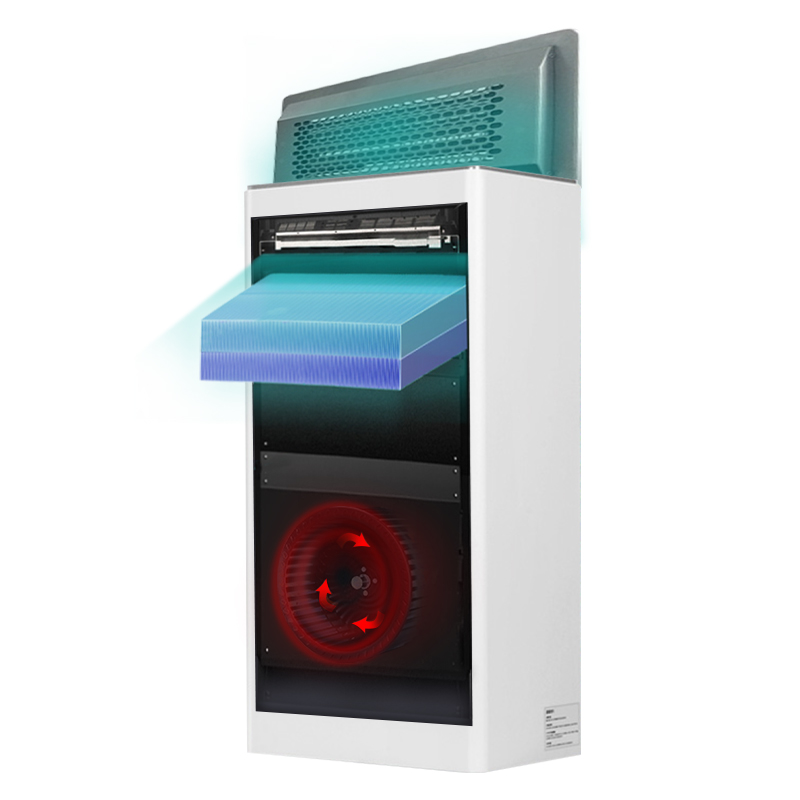
From passive to proactive: The evolution of ventilation with IoT sensors
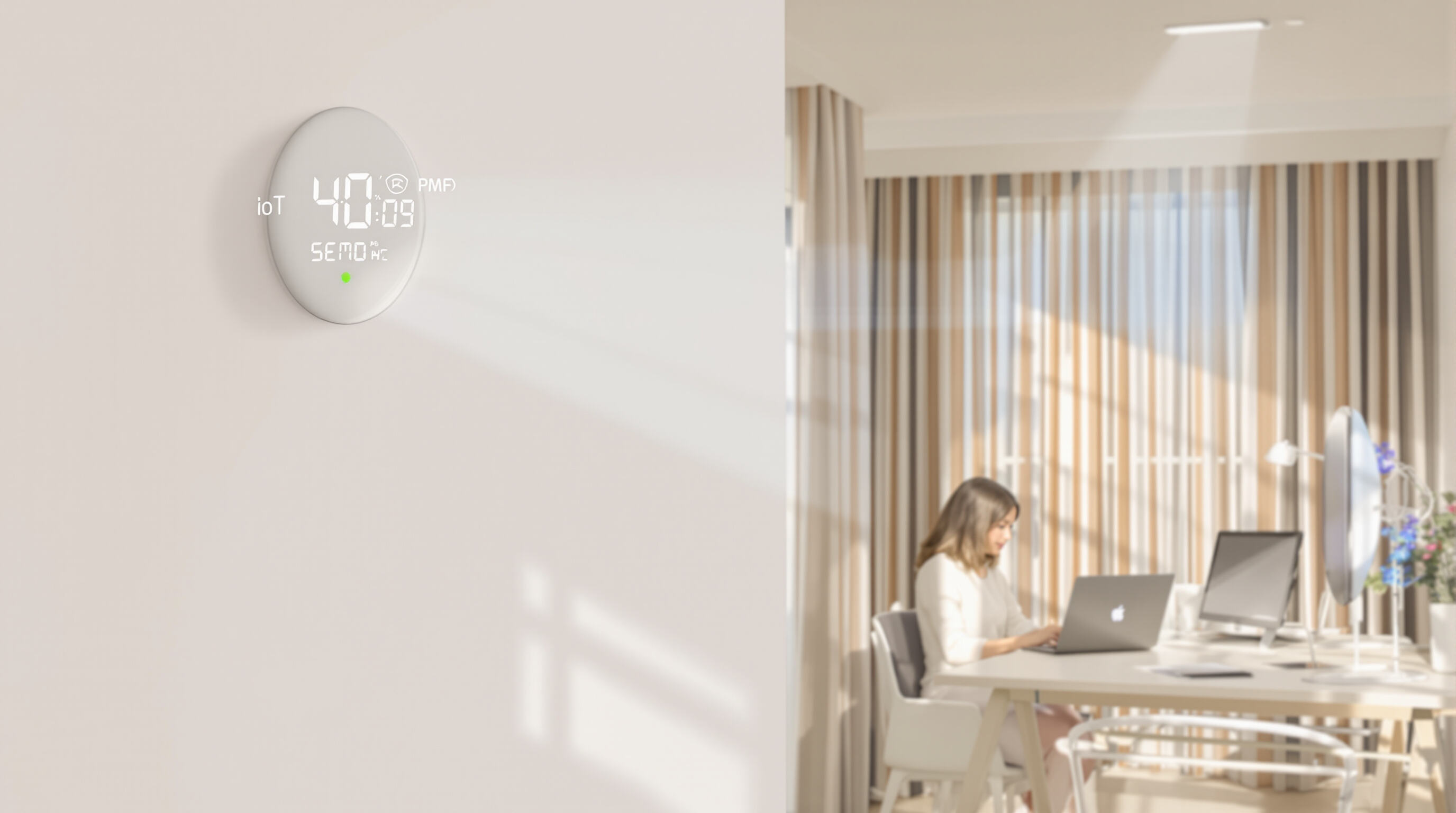
Old school fresh air systems used to run on set timers or required someone to manually adjust them, usually responding to bad air quality only after people started feeling uncomfortable. With IoT sensors in place today, we can collect environmental data all the time. These sensors measure carbon dioxide levels between about 400 and 2,000 parts per million, track volatile organic compounds, and check humidity with around 3% accuracy. Because of this constant monitoring, the systems can actually change how much air flows through before things get really bad. Take carbon dioxide for instance. When levels go above 1,000 ppm which is when people start having trouble thinking clearly smart dampers kick in almost immediately to bring in more fresh air from outside.
Innovation in smart fresh air solutions
Manufacturers at the forefront of smart tech are now creating systems connected through the internet of things, combining various sensors with machine learning capabilities. These systems look back at past air quality data to spot when pollutants might spike, like what happens during cooking times or allergy season, then adjust ventilation accordingly. The better versions of these systems actually save quite a bit of energy too. Some tests show they cut down wasted power somewhere between 15 to 30 percent over regular ventilation setups. What makes these systems stand out? Well, there's the automatic dampers that open and close depending on how bad the outside air is getting, plus filters that know when they need replacing based on how much dirt builds up inside them over time.
IoT-enabled systems within the broader smart home ecosystem
Today's fresh air systems work together with HVAC controls, air purifiers, and even weather data from online services. Take IoT enabled ventilation as an example these systems will cut back on outside air when there's high pollen counts or smoke from wildfires, all while turning on HEPA filters to keep things clean inside. Homeowners can check their mobile apps for updates such as seeing that their air quality was fluctuated 86% of the time last week or getting reminded that their filters need replacing soon since only 20% capacity remains. When different components talk to each other, what used to be separate ventilation units become active parts of a bigger smart home network.
Real-Time Air Quality Monitoring for Healthier Indoor Environments
Continuous detection of CO2, VOCs, and humidity
Today's fresh air systems come equipped with sensors that monitor over air quality at all times. They keep tabs on things like carbon dioxide levels which range from around 400 to 5,000 parts per million, volatile organic compounds (VOCs), and check humidity with 3% accuracy. Sensors are updated every two to five seconds, maintaining a constant picture of indoor air quality. Evidence shows that indoor pollutants can surge, sometimes tripling in concentration within fifteen minutes, during activities such as cooking or cleaning, highlighting the importance of continuous monitoring for healthy air quality.
Ensuring data accuracy and low response latency in AI-driven monitoring
Most manufacturers ensure their systems can handle relevant air quality data right at the source, enabling quick responses to pollution spikes. This immediate data handling allows for rapid adjustments in the system, with responses in less than a second. Testing under real-world conditions has proven the accuracy of IoT sensors, with results closely matching those found in professional lab equipment. This reliability is crucial for environments where health is a significant concern.
Translating air quality data into understandable alerts
Users receive alerts on their mobile devices when air quality reaches critical levels, as signalled by heightened volatile organic compounds or elevated carbon dioxide concentrations. These alerts help users be aware of potential health impacts, such as decreased concentration and fatigue. The systems also utilize color-coded air quality indexes, making it easier for inhabitants to quickly assess indoor air quality and take necessary action. Analyzing accumulated data over time can help detect less obvious issues, such as frequent use of harsh cleaning agents or leaking appliances within the building.
Integration with HVAC and Air Purification for Whole Home Management
Today's IoT-enabled ventilation systems act as a comprehensive network within smart homes. They communicate with other components such as HVAC controls and air purifiers, allowing synchronized operations. This interconnectedness ensures effective ventilation and air purification, enhancing the overall quality of indoor air. By cutting back on airflow in low-priority areas, the systems can funnel fresh air where it is needed most. This synergy between smart devices results in significant energy savings while maintaining optimal air quality throughout the home environment.
User-Centric Control: Mobile and Voice Interfaces for Fresh Air Management
Modern smart fresh air systems are designed to be easily managed using mobile apps and voice command capabilities. By leveraging artificial intelligence, they can predict and adapt the airflow based on user habits, ensuring maximized efficiency while minimizing manual adjustments. With AI-driven systems, airflow adjusts automatically but still provides an option for manual customization if users wish. This gives homeowners control over their environment while benefiting from optimized energy use and improved comfort.
FAQ Section
What are IoT sensors and how do they improve fresh air systems?
IoT sensors are intelligent devices that collect real-time environmental data such as carbon dioxide levels, volatile organic compounds (VOCs), and humidity. They continuously monitor indoor air quality and adjust airflow before air quality becomes uncomfortable, enhancing the efficiency of ventilation systems.
How do smart fresh air systems save energy?
Smart fresh air systems save energy by using IoT sensors and machine learning to analyze past air quality data and predict when pollutants may spike. These systems then adjust airflow accordingly, reducing wasted power and achieving energy savings between 15 to 30 percent compared to regular ventilation setups.
How do IoT-enabled fresh air systems integrate with a smart home setup?
IoT-enabled fresh air systems work together with other smart home devices like HVAC controls and air purifiers. They can adapt to outdoor conditions, like high pollen counts or smoke from wildfires, and adjust ventilation to maintain healthy indoor air quality. Users can monitor and control these systems via mobile apps and voice assistants for convenient and efficient management.
How do real-time air quality monitoring systems benefit health?
Real-time air quality monitoring systems equipped with IoT sensors monitor various aspects of indoor air quality, such as carbon dioxide levels and volatile organic compounds. By providing continuous data every few seconds, they help maintain good air quality and alert users to potential health risks like high pollution levels, enabling timely adjustments to the ventilation system.
Can I still manually control my smart fresh air system?
Yes, the modern smart fresh air systems offer manual override options for user control. This can include app-based adjustments, local touch controls, and mechanical bypass levers that function without network connectivity. This ensures users can make necessary adjustments even during events like sensor calibration or poor air quality outdoors.
Table of Contents
- From passive to proactive: The evolution of ventilation with IoT sensors
- Innovation in smart fresh air solutions
- IoT-enabled systems within the broader smart home ecosystem
-
Real-Time Air Quality Monitoring for Healthier Indoor Environments
- Continuous detection of CO2, VOCs, and humidity
- Ensuring data accuracy and low response latency in AI-driven monitoring
- Translating air quality data into understandable alerts
- Integration with HVAC and Air Purification for Whole Home Management
- User-Centric Control: Mobile and Voice Interfaces for Fresh Air Management
- FAQ Section
