

 EN
EN


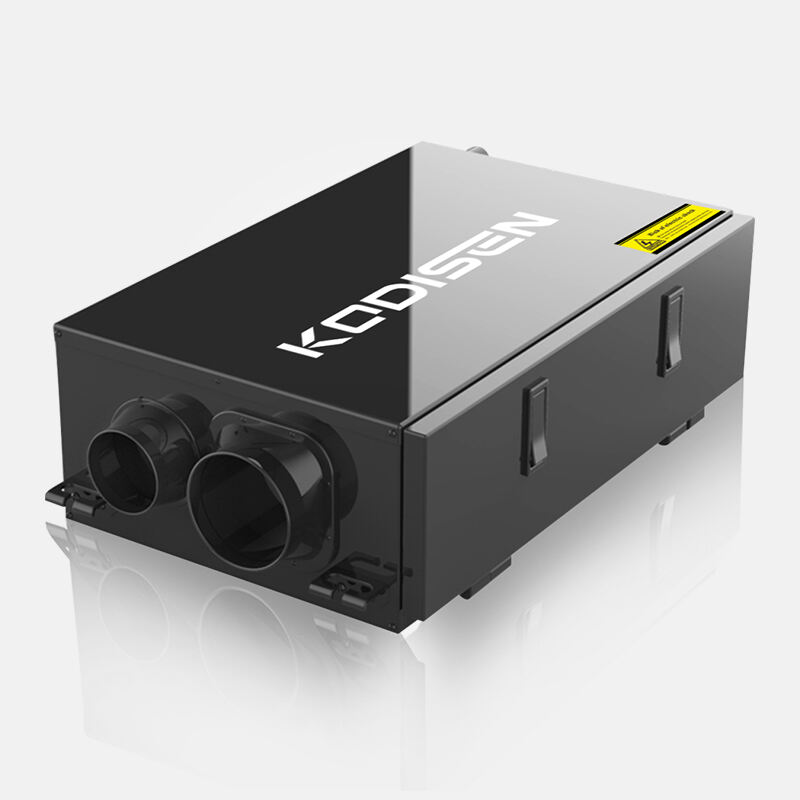
Understanding Dehumidification Systems and Traditional Units
How Dehumidification Systems Work
Dehumidifiers physically remove moisture from the air and lower humidity in the home to help discourage mold growth and improve indoor air quality. Using techniques such as refrigeration cycling and absorption, they are able to cool the air and condense moisture. The technologies used in these systems feature highly developed humidity sensors that regulate to ideal levels, giving you topnotch user comfort alongside maximum effectiveness in energy usage. With processes that are automated, they provide consistent access to the humidity being controlled for balance in the home.
Traditional Dehumidifiers: Basic Mechanism
The way that standard dehumidifiers work is based in a pretty simple refrigeration principle in which the cooling coils remove the humidity from the air. The technology works by drawing humid air through cold coils, where the air is cooled and the moisture removed. This puffs drier air out into the living area, lowering humidity more. But these units too are powerful systems, and they consume a lot of energy and lead to a disruptive temperature in the room. Consumers should be aware of these potential drawbacks, and consider the energy usage and temperature consequences of selecting conventional dehumidification.
Product Solutions for Effective Dehumidification
For an even more sophisticated option for managing humidity, a product like the energy recovery ventilator (ERV) and heat recovery ventilation systems could be considered. These will recycle energy of other processes for maximizing indoor humidity and temperature levels. Furthermore, energy recovery ventilators can be installed for improved economy and ecology.
- Benefits of Energy Recovery Ventilators:
- They integrate seamlessly into existing HVAC systems, ensuring continuous temperature regulation and improved air quality.
- By reclaiming energy from exhausted air, ERVs substantially reduce the energy required for heating and cooling, resulting in cost savings.
- These systems are known for enhancing indoor air quality through regular aeration, which is crucial for health and comfort.
Energy Consumption and Cost Analysis
Knowing how much power is consumed is important when considering dehumidifiers. The Energy Factor (EF) is an important efficiency rating which is the amount of energy a system uses versus the amount of water it removes. The modern dehumidifiers are using sophisticated techniques for better efficiency and to reduce the operating costs. A high efficiency model will make major savings over the life of the system, particularly where the climate is actually humid. That's because these systems are engineered to run efficiently and are programmed to avoid wasting energy.
Humidity Control Precision
Advances in de-husidification systems allow more accurate control in humidity with digital sensors, and settings can be programmed. This precision control makes sure the good humidity levels, comfort and health are always achievable. Humidity control, as described in a study, can greatly improve comfort and lower occurrences of respiratory illnesses. While optimizing humidity levels, these systems improve indoor conditions and contribute to a healthier environment.
Impact of Heat Recovery Technology (HRV/ERV)
HRV and ERV systems Specifying HRV and ERV products are essential in helping to make residential buildings more energy efficient, by recycling the energy in indoor air. Studies show that by pre-treating fresh, incoming air via integrated HRV/ERV systems, up to 30% of paid energy can be saved. By knowing just how these HRV and ERV system deliver dehumidification, it's easier to decide if they're the right fit for your application. These devices save energy and make an even climate control more effective in residential and commercial environments.
Applications and Ideal Use Cases
Industrial & Commercial Spaces
In commercial and industrial areas, humidity management is essential for protecting equipment, as well as for maintaining efficient operations. Facility types such as warehouses and factories often rely on constant humidity control to ensure product quality and stave off mold. Installing a good dehumidification system results in less money spent in maintenance and in the service life of expensive equipment being extended. These units eliminate excess moisture that can cause corrosion and cause damage to sensitive equipment. Research indicates that high air quality and the ability to maintain proper levels of humidity serve to safeguard one’s assets, while at the same time are proven to offer a healthier, more conducive working environment, which can increase employees’ overall health and productivity.
Residential and Small-Scale Needs
Dehumidifiers are also commonly used in domestic and residential establishments such as basements, bathrooms, and kitchens. This is especially key in these places to avoid mold and mildew growth and to enhance air quality. For smaller applications specifically, a portable or built-in dehumidifier may be the solution you need with the added bonus of being able to address the site-specific humidity wherever it is most useful to you. Correct sizing and appropriate selection are crucial for enhanced personal comfort and indoor air quality gain with these devices.” When properly chosen, installed and maintained, these systems can greatly enhance living conditions by sustaining optimal levels of relative humidity, and increase ease and decrease respiratory problems.
Environmental Impact and Sustainability
Energy Recovery Ventilator (ERV) Integration
Energy Recovery Ventilator (ERV) systems are a smart choice to employ, not only to control moisture, but to cut down on energy consumption by a large amount. This allows the heat or cold from the exhaust air to be recycled so there is much less temperature difference to be made up by the heate2r or cooler. The integration of ERV in buildings can reduce greenhouse gas emissions by more than 30% compared with conventional HVAC systems, which represents great potential for advancement towards sustainable development. Due to climate change) and to reduce energy consumption due to the heating of outside air and its cooling, much building codes now require ERV systems, highlighting their importance in the design of green, sustainable buildings.
Role of Heat Recovery Ventilation Systems
Heat Recovery Ventilation (HRV) Which means: All the sustainability standards of tomorrow achieved in building design today. HRVs enable indoor air to be improved and heating expenses to be reduced with the help of effective ventilation. This heat-recovery process extracts the waste heat from the exhaust air and uses it to heat the incoming air, a cost-effective method to sustaining energy efficiency. With sustainability playing an ever-more-central role in building codes, HRV adoption is preferred – and in some cases required – in new construction. This shift promotes the use of energy and advances the inclusion of environmentally friendly methods in contemporary architecture. Through the adoption of HRV’s, buildings, whilst being code compliant, can now be better performing in environmental terms.
Table of Contents
-
Understanding Dehumidification Systems and Traditional Units
- How Dehumidification Systems Work
- Traditional Dehumidifiers: Basic Mechanism
- Product Solutions for Effective Dehumidification
- Energy Consumption and Cost Analysis
- Humidity Control Precision
- Impact of Heat Recovery Technology (HRV/ERV)
- Applications and Ideal Use Cases
- Industrial & Commercial Spaces
- Residential and Small-Scale Needs
- Environmental Impact and Sustainability
- Energy Recovery Ventilator (ERV) Integration
- Role of Heat Recovery Ventilation Systems
