

 EN
EN


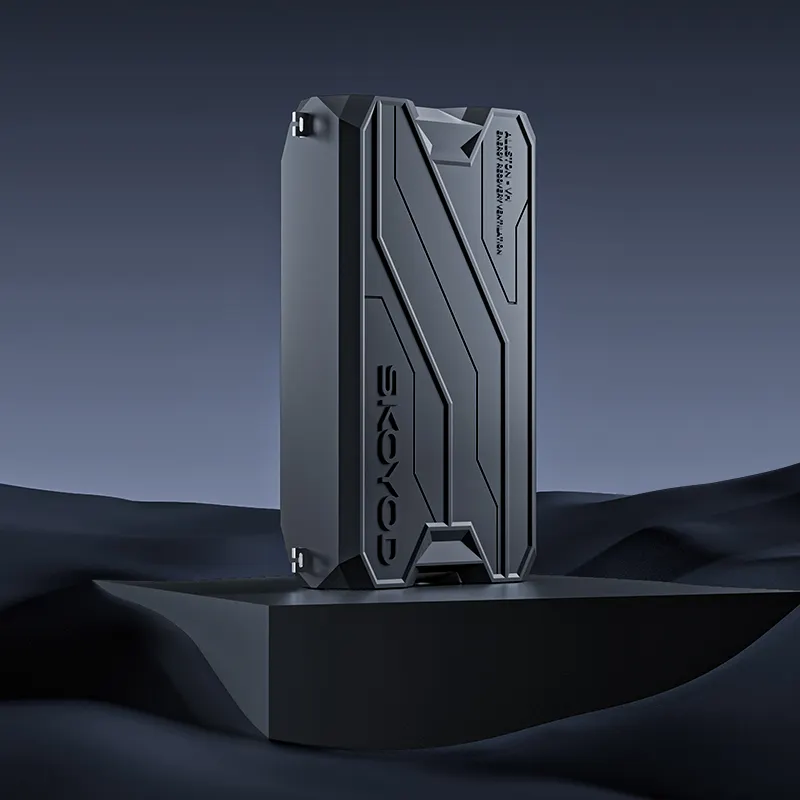
The Rising Demand for Energy-Efficient Air Ventilation Systems
Escalating Energy Costs and Sustainability Goals
The surge in global energy prices has highlighted the necessity for energy-efficient solutions in commercial buildings. These solutions, such as energy-efficient ventilation systems, are essential for minimizing operational costs and adhering to sustainability goals. By incorporating such systems, businesses can significantly reduce their carbon footprints while promoting green building practices. In fact, studies have shown that adopting energy-efficient ventilation systems can yield savings between 20-50% on energy bills, making them a cost-effective strategy for enhancing energy efficiency.
Stricter Building Codes and Environmental Regulations
In response to escalating environmental concerns, new regulations are being implemented to improve indoor air quality and energy efficiency in buildings. Enhanced building codes and environmental standards necessitate upgraded ventilation solutions that align with standards set by organizations such as ASHRAE. Compliance with these regulations is becoming crucial for building contractors and property managers, as case studies indicate that compliant buildings experience fewer enforcement actions and enjoy enhanced marketability. The evolution of these codes underscores the growing importance of maintaining high air quality standards.
Health Concerns Driving Indoor Air Quality Priorities
Health concerns have increasingly prioritized indoor air quality improvements. Research shows a direct correlation between air quality and occupant health, propelling the demand for improved ventilation systems. Inadequate ventilation can lead to sick-building syndrome, resulting in absenteeism and reduced productivity. Health organizations now recommend systems that meet specific air exchange rates to ensure optimal indoor air quality, safeguarding both health and productivity. The ability to provide environments that enhance well-being is not only beneficial for health but also for increasing workplace efficiency.
How Energy-Efficient Fresh Air Ventilation Systems Work
Balanced Airflow Mechanisms for Optimal Ventilation
Energy-efficient ventilation systems are designed to optimize the airflow within buildings, ensuring effective air exchanges. These systems utilize balanced airflow mechanisms that meticulously control both the intake of fresh air and the exhaust of stale air. This balance prevents drafts while promoting fresh air circulation, contributing to a comfortable indoor environment. Technical insights into airflow regulation further underscore the importance of these systems in maintaining optimal ventilation. By managing air exchanges efficiently, energy-efficient ventilation systems help in maintaining consistent indoor air quality without excessive energy use.
Energy Recovery Ventilator Installation: Core of Modern Systems
Energy recovery ventilators (ERVs) are pivotal in modern ventilation systems, primarily due to their ability to significantly reduce heating and cooling costs. ERVs achieve this by transferring energy between incoming and outgoing air streams, effectively preconditioning fresh air using recovered heat from exhaust air. Studies have shown that incorporating ERVs can reduce energy consumption by up to 30%, presenting a quick return on investment. The operational mechanism of ERVs provides insights into how they maintain comfortable indoor climates and contribute to overall energy efficiency. By maximizing heat recovery, ERVs offer both comfort and cost savings, making them integral to sustainable building practices.
Smart Controls and Real-Time Air Quality Monitoring
Smart control systems are instrumental in enhancing energy efficiency within ventilation systems. These systems can adjust ventilation rates based on real-time measurements of occupancy and indoor air quality. By employing smart controls, ventilation systems optimize energy usage and improve efficacy, ensuring that air quality is continuously maintained while minimizing energy consumption. Research supports that systems equipped with smart technology can reduce energy usage by as much as 20%, while simultaneously improving indoor air quality. Real-time air quality monitoring and smart controls together provide a comprehensive approach to managing ventilation, aligning operational efficiency with occupant comfort and health priorities.
Key Benefits of Upgrading to Modern Ventilation Solutions
Substantial Reduction in Operational Energy Costs
Upgrading to modern energy-efficient ventilation systems offers a considerable reduction in operational energy costs, with savings potentially reaching up to 50%. This transformative change has been observed across various organizations that have adopted advanced ventilation technologies. Research consistently shows a strong correlation between energy-efficient systems and decreased utility bills. By transitioning to newer systems, businesses not only become more financially savvy but also contribute positively to their local energy footprints.
Improved Occupant Health and Productivity
Modern ventilation solutions significantly enhance indoor air quality, which directly affects occupant health and productivity within buildings. Evidence suggests that well-ventilated spaces can catalyze a 10-20% increase in employee performance and concentration levels. The health advantages extend beyond productivity, evident in the reduced incidence of allergies and respiratory problems among building occupants. In consequence, improved air circulation contributes to a healthier and more dynamic working environment.
Meeting ESG Targets Through Lower Carbon Footprints
Adopting energy-efficient ventilation systems assists businesses in meeting their Environmental, Social, and Governance (ESG) goals by reducing carbon emissions. Decreased energy consumption equates to a lighter carbon footprint, thus making corporate responsibility more achievable and palpable. This trend toward sustainability is further buoyed by investors and consumers who are increasingly drawn to companies that commit to such eco-friendly practices. Businesses with energy-efficient infrastructure find themselves strategically positioned to meet these growing expectations and differing market dynamics.
Overcoming Challenges in Ventilation System Retrofits
Addressing Upfront Costs Through Long-Term Savings
Upgrading to modern ventilation systems may initially involve significant upfront costs, but the long-term savings often justify these investments. Studies show that facilities opting for energy-efficient systems frequently realize payback periods ranging from 3 to 5 years due to the substantial reductions in energy consumption and utility expenses. Many organizations overcome financial barriers by utilizing financing options and incentives designed to lessen the initial cost burden. Real-life examples further illustrate the success of businesses who've maneuvered through these financial challenges, ultimately reaping the benefits of energy-efficient systems.
Streamlining Energy Recovery Ventilator Installation
Energy recovery ventilators can be installed more efficiently with appropriate planning and thorough site assessments. The advent of pre-fabricated systems aids in minimizing the installation time and the associated labor costs. Feedback from contractors highlights the importance of clear communication and collaboration with HVAC professionals, as these practices can significantly streamline the installation process. This proactive approach ensures that the energy recovery ventilator is optimally installed, functioning effectively from the onset, while reducing potential disruptions and unnecessary expenses.
Preventive Maintenance Strategies for Peak Performance
Regular maintenance of ventilation systems is crucial to maintain peak performance and prevent unexpected downtime. Establishing a preventive maintenance schedule can significantly extend the lifespan of these systems while ensuring they operate with optimal energy efficiency. Statistics underscore the benefits of regular maintenance, showing a potential 20% increase in operational efficiency due to consistent upkeep. By prioritizing preventive maintenance, facilities can protect their investments, enhance air quality, and reduce operational costs over time, making it a valuable strategy for any enterprise.
Future Trends Shaping Commercial Ventilation Technology
Integration with Renewable Energy Sources
Ventilation systems are increasingly integrating with renewable energy sources like solar and wind, marking a significant trend in the industry. This integration is not just about reducing operational costs; it also accelerates the journey toward energy independence. By incorporating renewable solutions, businesses can minimize dependence on non-renewable resources and enhance sustainability. There are case studies that showcase successful implementations of these renewable solutions, demonstrating tangible benefits for companies willing to adopt such practices.
AI-Driven Air Quality Optimization
AI technology is revolutionizing air quality optimization by enabling real-time adjustments that balance air purity with energy conservation. The rise of smart buildings has seen AI systems analyzing a host of data points to efficiently manage ventilation and overall energy usage. Experts in the field suggest that AI will continue to transform facility management, offering more precise control over ventilation, thus improving energy consumption metrics. With AI's ability to tailor air settings to meet specific needs, businesses can expect significant advancements in efficiency and occupant comfort.
Standardization of Fresh Air Ventilator Requirements
The future trend in commercial ventilation technology points towards increased standardization of fresh air ventilator specifications. This move aims to enhance performance and streamline installations across various buildings. Uniform standards will not only facilitate compliance but also make it easier for companies to adopt new technologies without extensive customization. Industry forecasts suggest these standardized requirements will boost market efficiency and foster innovation, helping businesses stay ahead of regulatory demands. By embracing standardized practices, facilities can ensure robust compliance and adaptability of fresh air ventilation systems.
