

 EN
EN


Understanding Fresh Air Ventilation Systems
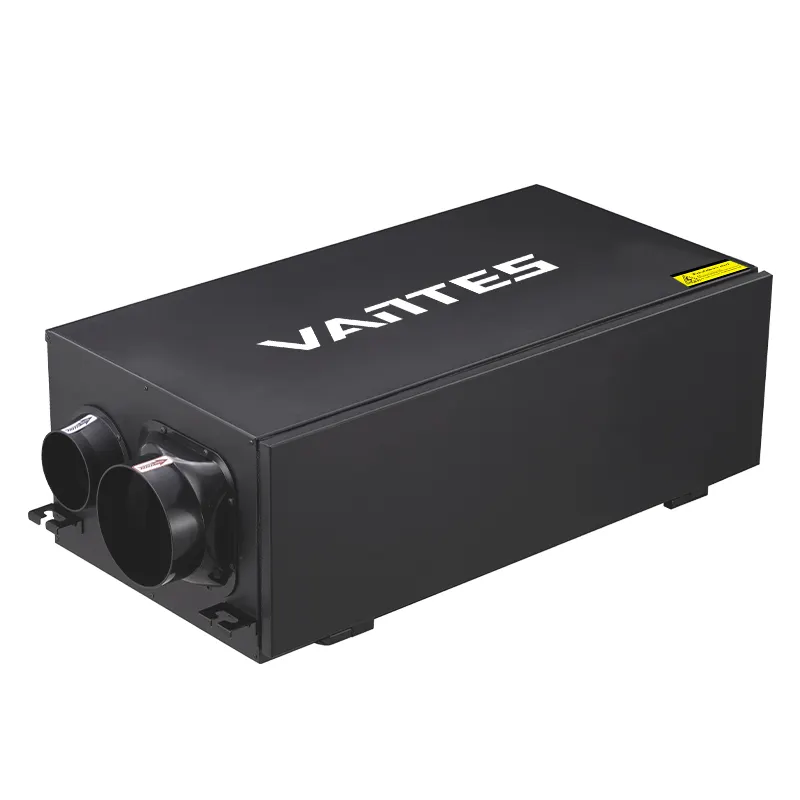
Fresh air ventilation systems are equipped with core components such as fans, filters, ducts, and controls, each essential for optimal air circulation. The fans are vital as they actively circulate air, promoting consistent fresh air flow throughout a space. Filters play a critical role by trapping pollutants and allergens, ensuring the air remains clean and healthy. Additionally, ducts guide the air, streamlining its path within the system, while controls allow for customization of airflow based on specific needs. Understanding how these components interact and function can significantly improve maintenance practices and optimize the system's performance.
Core Components and How They Work
A closer look at each component highlights its significance in the system's performance. Fans are tasked with moving air efficiently, while filters are designed to capture dust, pollen, and other airborne particles to improve indoor air quality. Ducts serve as the channels through which air is distributed throughout the building, and controls offer customizable settings that can be adjusted based on individual ventilation needs. Understanding these core elements not only facilitates efficient system maintenance but also ensures the overall optimization of air circulation.
Types of Systems: MEV, MVHR, and Beyond
Ventilation systems come in several forms, each with unique features and benefits. Mechanical Extract Ventilation (MEV) systems withdraw stale air from indoors while making room for fresh air entry, proving effective for smaller spaces. On the other hand, Mechanical Ventilation with Heat Recovery (MVHR) systems excel at recuperating heat from the exhaust air, consequently enhancing energy efficiency. Today's advancements have introduced hybrid systems, blending the best of existing technologies to cater to diverse environments, showcasing the industry's evolving landscape.
Mechanical Extract Ventilation (MEV) Systems
MEV systems are instrumental in managing indoor air quality by efficiently removing stale air—aiding in creating a healthier indoor environment. These systems operate in confined spaces, ensuring the continuous intake of fresh air without compromising spatial limitations. By doing so, they provide a practical solution for smaller areas that require ventilation without large infrastructure changes.
Mechanical Ventilation with Heat Recovery Ventilator Dimensions
MVHR systems are designed with energy conservation at their core, capturing heat from the exhaust air and rerouting it into the incoming fresh air. This process reduces energy waste, contributing to more sustainable indoor climates. Not only does this minimize heating or cooling costs, but it also ensures that the indoors remain comfortable and consistent in temperature—a vital feature for energy-conscious environments.
Key Factors in Selecting the Right System
Assessing Space Size and Airflow Requirements
Evaluating the space size and airflow requirements is fundamental in choosing an appropriate fresh air ventilation system. The dimensions of the area play a vital role in determining the type and capacity needed to ensure efficient air exchange. It's crucial to calculate airflow by considering factors such as occupancy levels and the intended use of the space. For example, a crowded office might require more robust airflow than a sparsely populated storage room. To achieve precise measurements, consulting with HVAC specialists is recommended, as they can align the system specifications with best practices in the industry.
Climate Considerations and Air Quality Needs
Climate considerations and air quality needs are pivotal in selecting a ventilation system tailored to specific environments. Local climatic conditions, like humidity, can considerably influence the choice of system, often necessitating additional features such as dehumidification. Furthermore, understanding the unique air quality requirements, such as the removal of volatile organic compounds (VOCs) in commercial spaces, ensures the most suitable technology is chosen. Organizations like ASHRAE provide valuable guidelines on adapting ventilation to climatic challenges, enhancing the system's effectiveness in maintaining indoor air quality. These resources enable us to identify solutions that cater to both climate-specific hurdles and air quality demands.
Energy Efficiency and Heat Recovery Solutions
Benefits of Energy Recovery Ventilators Installation
Energy Recovery Ventilators (ERVs) are remarkable solutions for businesses looking to reduce energy costs and improve indoor air quality. By efficiently recovering heat from outgoing air and using it to warm incoming air, ERVs can result in significant energy savings. Studies have shown that businesses implementing ERVs can experience up to a 30% reduction in heating and cooling expenses. In addition to the cost savings, these systems ensure a constant flow of fresh air throughout the environment, thereby enhancing indoor air quality. ERVs are essential components within air ventilation systems, serving both economic and health benefits.
Optimizing Heat Recovery Ventilator Dimensions
Choosing the right dimensions for Heat Recovery Ventilators (HRVs) is essential to achieving optimal airflow and maintaining efficiency. Proper sizing of HRVs prevents issues such as short-cycling and inadequate ventilation rates, which can compromise system effectiveness. When optimizing dimensions, it’s important to consult manufacturer specifications and installation guidelines. This ensures the system is configured accurately and performs efficiently. Properly sized HRVs play a crucial role in energy recovery ventilator installation and contribute significantly to maintaining an effective ventilation system. Understanding these key elements is vital for anyone looking to maximize air ventilation efficiency while safeguarding energy savings.
Compliance with Modern Ventilation Standards
Navigating Building Codes and Certifications
Understanding and adhering to local building codes are crucial to avoid legal repercussions and fines in ventilation projects. Each jurisdiction may have unique requirements, so it's important to stay informed and ensure compliance throughout the project lifecycle. Acquiring certifications such as Leadership in Energy and Environmental Design (LEED) can further enhance the building's marketability by aligning with recognized green building standards. This not only boosts the property's value but also attracts eco-conscious tenants. Regular updates from government bodies or professional organizations are vital for keeping abreast of evolving codes and ensuring ongoing compliance.
Meeting IAQ and VOC Guidelines
The management of Indoor Air Quality (IAQ) and Volatile Organic Compounds (VOCs) standards is essential in both commercial and residential settings. These guidelines dictate how ventilation systems should operate to ensure they contribute to occupant comfort and health. Modern air ventilation systems are designed to meet these standards seamlessly, offering enhanced health benefits and comfort levels. Research studies indicate a strong correlation between meeting IAQ and VOC standards and improved occupant satisfaction, underscoring the importance of compliance. By ensuring that ventilation systems are up-to-date with these guidelines, we can significantly boost occupant health and satisfaction.
Installation and Long-Term Maintenance
Best Practices for Energy Recovery Ventilator Installation
Proper installation techniques for Energy Recovery Ventilators are paramount to optimal system performance. Ensuring air duct sealing and strategic placement enhances efficiency and provides a safer indoor environment. Following manufacturer recommendations is crucial to prevent installation errors that might result in system inefficiencies over time. By employing skilled professionals, I can mitigate risks of malfunction and ensure compliance with established industry standards. Investing time in understanding expert installation protocols pays dividends in terms of longevity and performance of ventilation systems. For detailed insights on energy recovery ventilator installation, click here.
Routine Maintenance to Ensure Peak Performance
Implementing routine maintenance tasks is integral to maintaining peak performance of ventilation systems. Regular filter changes and duct cleaning can significantly extend system lifespan. Aligning maintenance schedules with manufacturer guidelines reduces emergency repair instances and operational costs. Furthermore, advanced monitoring technologies can offer timely insights into system performance, allowing for improved maintenance strategies. By leveraging these tools, I can ensure a consistent performance and address issues proactively. For additional resources on ventilation system maintenance, click here.
FAQ
What are the key components of a fresh air ventilation system?
Fresh air ventilation systems primarily consist of fans, filters, ducts, and controls, each playing a crucial role in optimal air circulation.
How does a Mechanical Ventilation with Heat Recovery (MVHR) system work?
A MVHR system recovers heat from exhaust air and transfers it to incoming fresh air, enhancing energy efficiency and indoor comfort.
What factors should be considered when selecting a ventilation system?
Key factors include the size of the space, airflow requirements, climate conditions, and specific air quality needs.
Why is routine maintenance important for ventilation systems?
Routine maintenance ensures long-term efficiency, reduces emergency repair costs, and prolongs the lifespan of the system.
Table of Contents
- Understanding Fresh Air Ventilation Systems
- Core Components and How They Work
- Types of Systems: MEV, MVHR, and Beyond
- Mechanical Extract Ventilation (MEV) Systems
- Mechanical Ventilation with Heat Recovery Ventilator Dimensions
- Key Factors in Selecting the Right System
- Energy Efficiency and Heat Recovery Solutions
- Compliance with Modern Ventilation Standards
- Installation and Long-Term Maintenance
- FAQ
