

 EN
EN


Heat Exchanger Design: Plate vs. Rotary Mechanisms
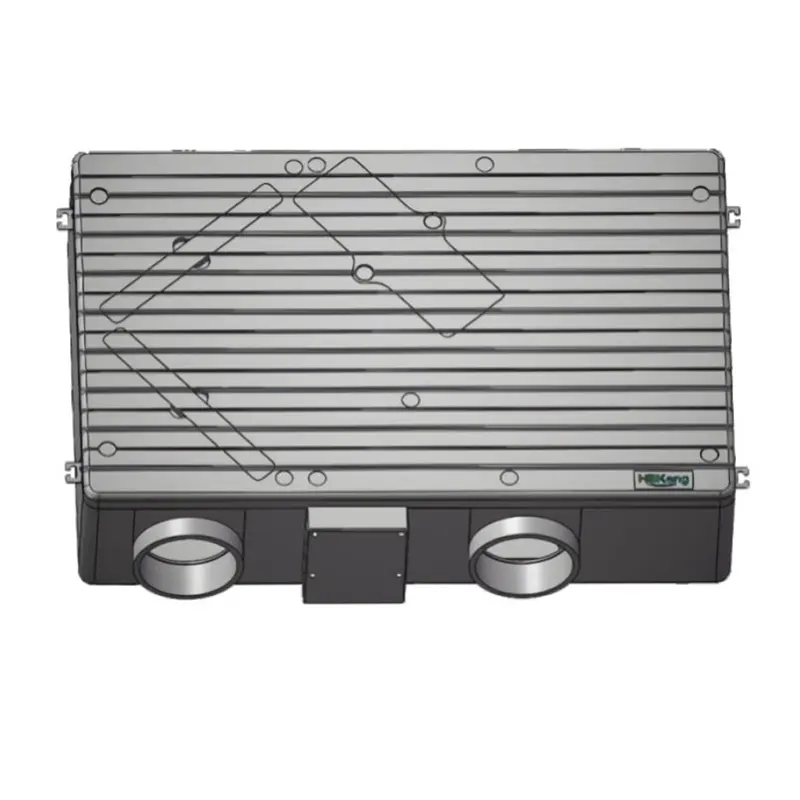
Fixed-plate heat exchanger with polymeric plates are implemented in the EPP Energy Recovery Ventilator instead of the conventional rotary wheels or metal plates. The deceleration plate eliminates moving parts and the potential for cross-contamination between airstreams a concern in health care settings. Contrary to rotary heat exchangers spreading humidity with rotating wheels, an EPP unit utilizes hydrophobic plates of polymer to realize latent recovery without moving parts to wear. Fixed-plate systems according to industry study of ERV design methods show reduced maintenance needs of 40% resulting from simplified construction.
Airflow Management in EPP ERVs vs Conventional Duct Systems
Enclosed EPP foam ductwork eliminates thermal bridging and static pressure loss common in metal ducted systems. The cellular structure of these products does provide in place insulation (values of R up to 4.0 per inch) and resistance to moisture degradation. This integrated design cuts fan energy use by 15-25% due to optimized air flow path and eliminates difficult duct sealing.
Energy Transfer Efficiency Metrics
EPP ERVs outperform traditional systems across key benchmarks:
| Metric | EPP ERVs | Traditional Systems |
|---|---|---|
| Sensible Effectiveness | 70-85% | 60-75% |
| Latent Effectiveness | 50-65% | 40-50% |
| Annual Variance | ±3% | ±12% |
Pressure-independent operation maintains efficiency during duct pressure fluctuations, with performance drops below 5% during seasonal transitions versus 15-20% in wheel-based systems.
Annual Energy Savings with EPP Energy Recovery
EPP ERVs reclaim 70-85% of thermal energy from HVAC exhaust streams, reducing related consumption by 30-50%. Commercial buildings save $0.30-$0.60 per square foot annually (ASHRAE 2023), with six-figure savings possible in large facilities.
Seasonal Performance Variations Across Climates
- Northern regions: 60-75% winter heating retention
- Southern climates: 40% summer cooling savings
-
Mixed-humid zones: 45-55% year-round efficiency
Desert climates show 25% wider summer variance than coastal areas.
Case Study: Office Building Energy Consumption Analysis
A Chicago high-rise retrofit with EPP ERVs reduced:
- Annual HVAC energy use by 47%
- Winter natural gas consumption by 52%
- Summer peak electrical demand by 35%
Payback averaged 3.1 years with 28-32% lower operational costs over five winters.
Indoor Air Quality Improvements with EPP ERVs
Filtration Systems Comparison
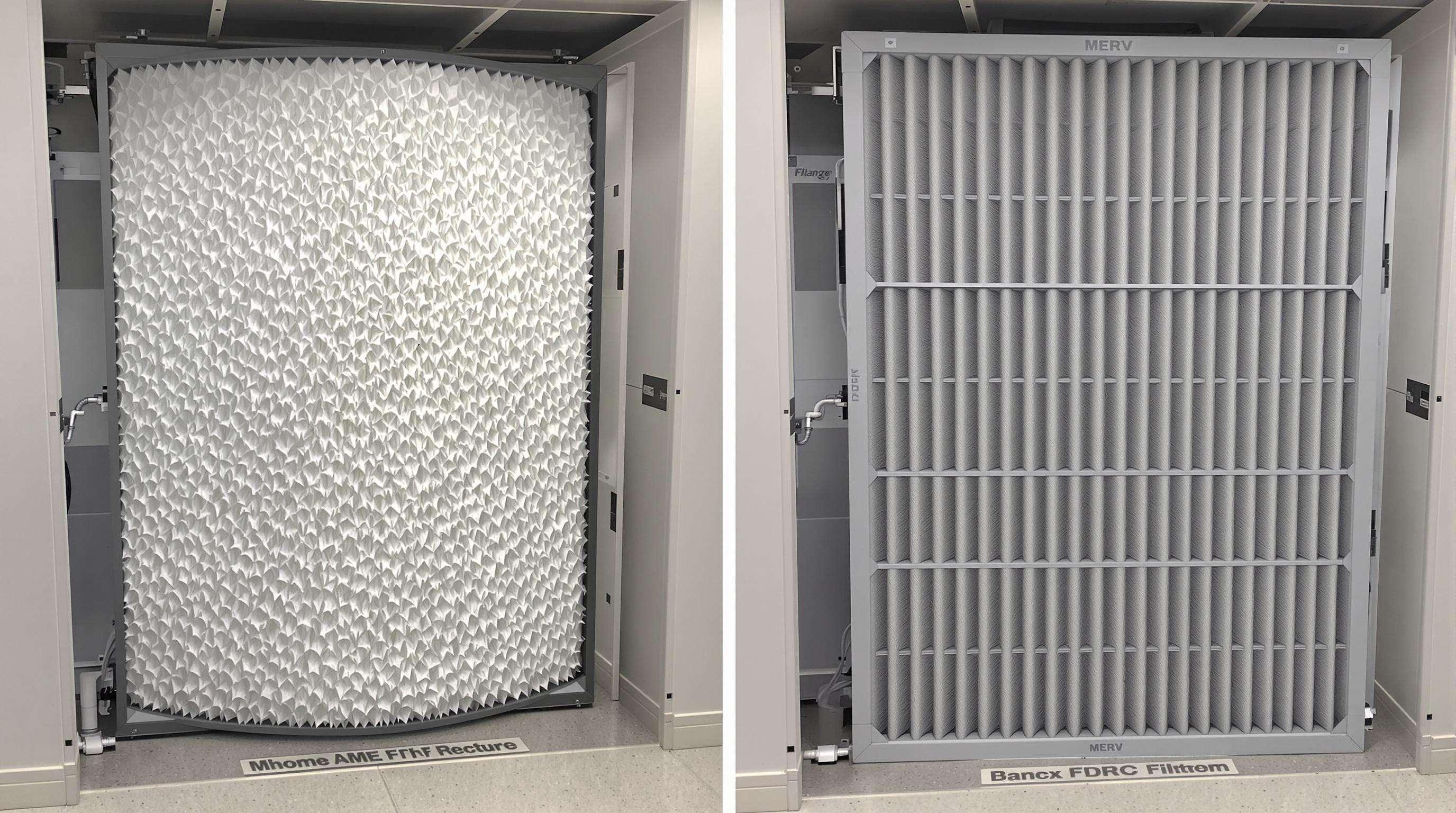
EPP ERVs integrate MERV 8-13 filters capturing 85%-95% of particulates versus <50% in conventional MERV 5-6 systems. Commercial buildings using EPP ERVs reduced PM2.5 concentrations by 62%.
Humidity Control Capabilities

Maintains 40-60% RH year-round, stabilizing moisture 37% faster than conventional units while meeting ASHRAE Standard 55 in 92% of installations.
CO2 Reduction Rates in Commercial Spaces
Lowers peak CO2 levels by 20-35% versus natural ventilation. Schools maintain <800 ppm CO2 during occupancy hours (WELL Building Standard compliant).
Cost Analysis: EPP ERV Installation vs Traditional Systems
Upfront Costs and Equipment Price Differences
EPP ERVs cost 20-30% more initially due to advanced components, but traditional systems lack efficient energy-transfer features.
Maintenance and ROI
Bi-annual filter changes and annual inspections maintain performance. 40-60% energy savings typically deliver full ROI within five years.
Investment Controversy
Debate centers on upfront costs versus 10-year operational savings exceeding 20%, particularly in regions with moderate energy prices.
Application-Specific Performance in Building Types
Residential Use
Recovers 70-80% of thermal energy (ASHRAE 2023) with compact, quiet operation ideal for living spaces.
Commercial Applications
Hospitals maintain negative-pressure isolation rooms efficiently, while schools reduce ventilation costs by 30% and absenteeism by 15%.
Industrial Facilities
Corrosion-resistant EPP heat exchangers handle aggressive environments, supporting up to 20 ACH with waste heat recovery.
Sustainability Impact of EPP ERVs
Carbon Footprint Reduction
Cuts HVAC-related emissions by 35% with 80-90% thermal energy recovery (GlobalNewswire 2025). Key metrics:
| Metric | Traditional | EPP ERVs |
|---|---|---|
| Energy Recovery | 50-60% | 80-90% |
| Monthly CO2 Reduction | 1.2 kg/m² | 2.8 kg/m² |
LEED Certification
Contributes 8-12 LEED points across Energy & Atmosphere and Indoor EQ categories.
Municipal Compliance Case Study
A Seattle retrofit exceeded Clean Buildings Standards by 31%, achieving 14.7 kWh/ft² annual use (ASHRAE 90.1-2022 compliant) with $18,400/year peak demand savings.
FAQ
What is an EPP ERV?
EPP ERV stands for Expanded Polypropylene Energy Recovery Ventilator, a system designed to improve energy efficiency in heating, ventilation, and air conditioning (HVAC) systems.
How do EPP ERVs differ from traditional ERVs?
EPP ERVs use polymeric plates instead of rotary wheels, which reduce maintenance and prevent cross-contamination.
Are EPP ERVs cost-efficient?
Despite higher initial costs, EPP ERVs generally ensure energy savings and quick return on investment within a few years.
How do EPP ERVs improve indoor air quality?
These systems use advanced filters and provide better humidity control, reducing particulates and maintaining comfortable humidity levels.
Table of Contents
- Heat Exchanger Design: Plate vs. Rotary Mechanisms
- Airflow Management in EPP ERVs vs Conventional Duct Systems
- Energy Transfer Efficiency Metrics
- Annual Energy Savings with EPP Energy Recovery
- Seasonal Performance Variations Across Climates
- Case Study: Office Building Energy Consumption Analysis
- Indoor Air Quality Improvements with EPP ERVs
- Cost Analysis: EPP ERV Installation vs Traditional Systems
- Application-Specific Performance in Building Types
- Sustainability Impact of EPP ERVs
- FAQ
