

 EN
EN


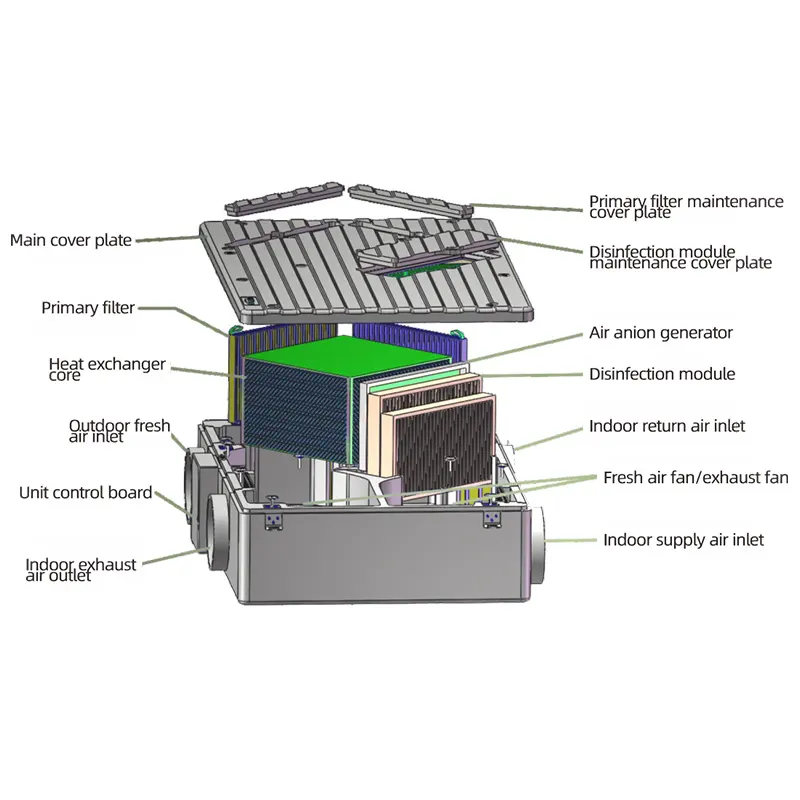
Smart building technology integration is revolutionizing EPP (Energy Recovery Ventilator) innovation with embedded IoT sensors that provide ongoing data to and from ventilation equipment and building automation systems. That connectivity enables ventilation to scale within minutes depending on occupant flow and the air, saving 15-30% of HVAC energy and letting students and teachers stay focused on learning.
IoT-Enabled Predictive Maintenance Systems
IoT sensors monitor critical parameters like motor vibrations and heat exchanger efficiency, enabling predictive maintenance that reduces emergency service calls by 40%. Early detection of issues like bearing wear prevents disruptions and extends equipment lifespan.
Machine Learning for Dynamic Airflow Optimization
Algorithms process occupancy levels, pollution data, and thermal loads to optimize ventilation rates dynamically. This AI-driven approach eliminates the 20-60% energy waste of fixed-speed systems while maintaining air quality standards.
Blockchain-Based Energy Consumption Tracking
Blockchain creates immutable records of energy recovery performance for compliance reporting and carbon credit verification. The system provides auditable proof for sustainability certifications through cryptographic validation.
Energy Efficiency Breakthroughs in EPP Ventilator Systems
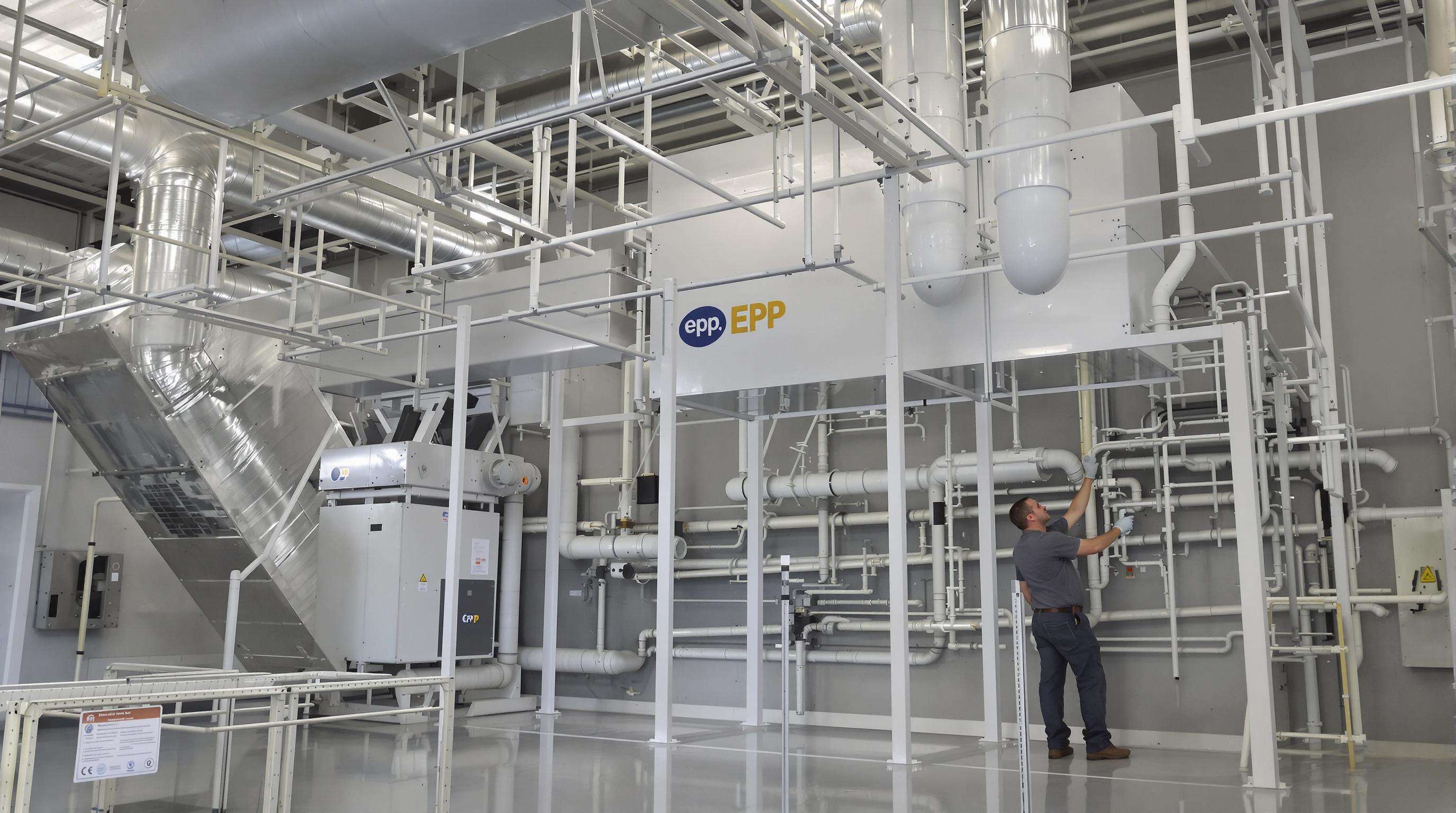
Modern EPP systems achieve dramatic energy conservation, with advanced technologies reducing HVAC loads by up to 40% (ASHRAE 2024). New designs recover over 85% of tempering energy from exhaust airflows.
Graphene-Enhanced Heat Exchanger Materials
Graphene-infused heat exchangers achieve thermal conductivity of 2,500 W/mK, enabling:
- 30% thinner core assemblies
- Elimination of frost accumulation
- Extended lifespan compared to metal alloys
Phase-Change Thermal Storage Integration
Phase-change materials (PCMs) absorb and release heat to:
- Reduce peak loads by 22-28%
- Eliminate auxiliary heating/cooling for 78% of operating hours
- Lower electricity consumption intensity
2024 DOE Standards Compliance Strategies
To meet the DOE's 82% energy recovery requirement, manufacturers use:
- Hybrid airflow bypass systems
- Predictive damper controls
- Machine learning-optimized fan power
EPP Ventilator Innovations for Urban Air Quality Challenges
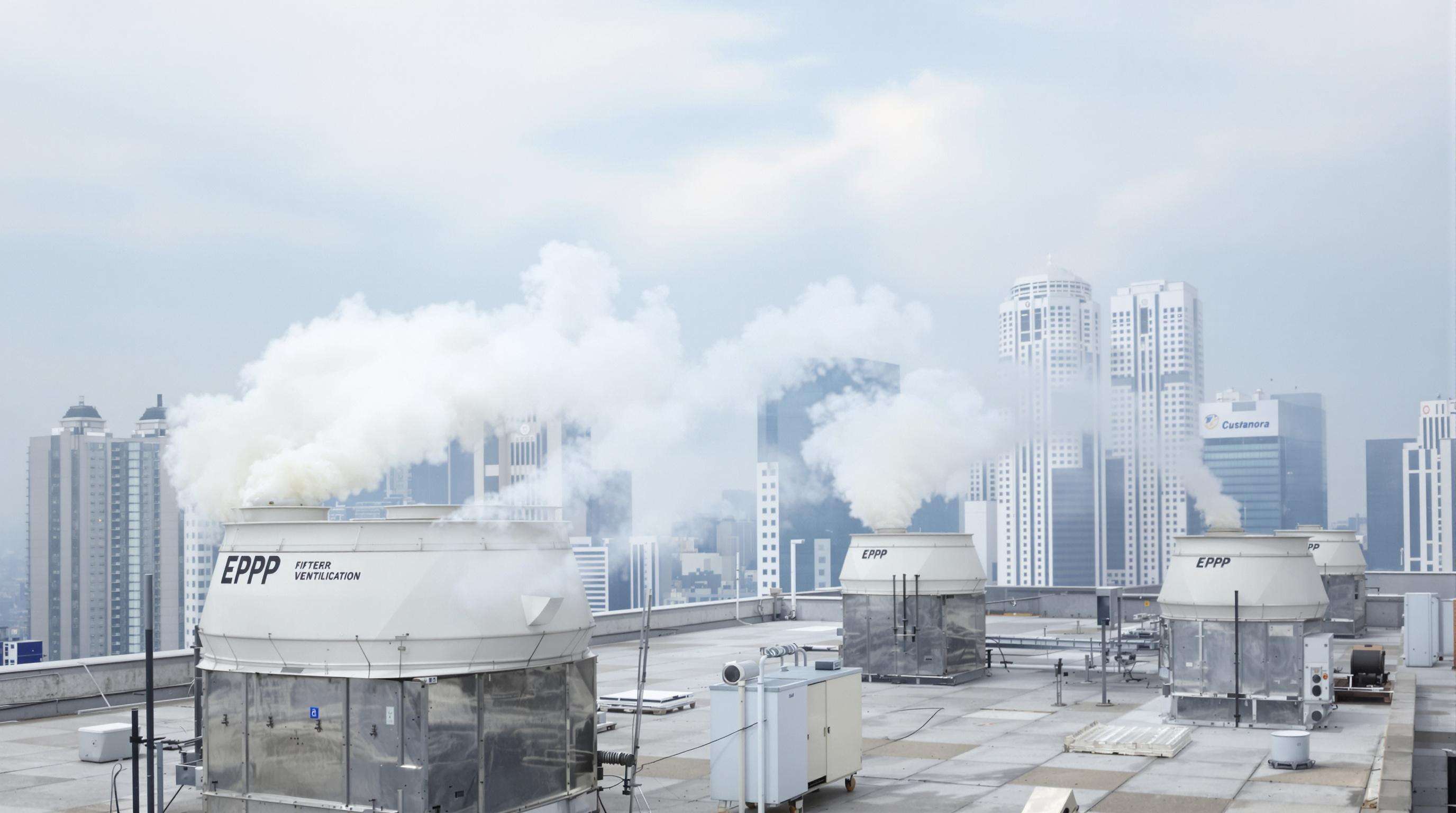
Urban EPP systems combat air pollution while meeting space and energy constraints through advanced filtration and purification technologies.
Nanofiber Particulate Filtration Upgrades
Electrospun nanofiber filters:
- Capture 99.97% of PM2.5 particles
- Maintain low airflow resistance
- Last 40% longer than conventional filters
VOC Elimination Through Photocatalytic Oxidation
UV-activated titanium dioxide catalysts:
- Neutralize 90% of VOCs
- Eliminate odors and chemical contaminants
- Require no consumable filters
3D-Printed Aerodynamic Ductwork
Additive manufacturing enables:
- 30% reduction in air resistance
- 12-15% energy savings
- Customized designs without retooling
Modular System Architecture Designs
Standardized components offer:
- 40% faster installation
- Simplified maintenance
- Scalability for building expansions
Material Science Advances
New materials like graphene-reinforced composites demonstrate improved durability and thermal performance in validation tests.
Policy-Driven EPP Ventilator Adoption Roadmaps
EU Green Building Directive Impacts
The Energy Performance of Buildings Directive mandates class IE4 motor efficiency in energy recovery systems across EU member states.
Controversy Analysis: Energy Recovery vs. Net-Zero Mandates
While energy recovery systems increase electrical load by 15-30%, lifecycle analyses show 42-67% emissions reduction when paired with renewable-powered motors.
Corporate ESG Reporting Requirements
EPP ventilation performance now impacts corporate ESG scores, with 68% of major companies including energy recovery metrics in sustainability reports.
FAQ
What are EPP Energy Recovery Ventilators?
EPP Energy Recovery Ventilators are systems that enhance energy efficiency in buildings by recovering energy from exhaust airflows to pre-condition incoming fresh air, thus reducing HVAC loads.
How do IoT sensors improve EPP systems?
IoT sensors monitor critical parameters, such as motor vibrations and heat exchanger efficiency, to aid in predictive maintenance and optimize ventilation rates dynamically for energy efficiency.
What role does blockchain play in EPP systems?
Blockchain technology provides an immutable and auditable record of energy recovery performance, ensuring compliance with sustainability certifications and carbon credit verification.
What innovations help EPP systems tackle urban air quality issues?
Innovations like nanofiber particulate filtration, photocatalytic oxidation for VOC elimination, and 3D-printed aerodynamic ductwork improve air quality and energy efficiency in urban environments.
How are EPP systems aligned with policy directives?
EPP systems meet policy requirements such as the EU Green Building Directive by adhering to energy recovery standards and contributing to corporate ESG reporting.
