

 EN
EN


How Our Dehumidification Systems Integrate Seamlessly with Your Existing HVAC
The Importance of Integrating Dehumidification Systems with HVAC
Modern climate control requires more than temperature regulation—humidity management is equally critical for occupant comfort, equipment longevity, and energy efficiency. Integrating dehumidification systems with HVAC infrastructure bridges this gap, creating cohesive environmental control without requiring major infrastructure overhauls.
Understanding the Integration of Dehumidifier with HVAC System
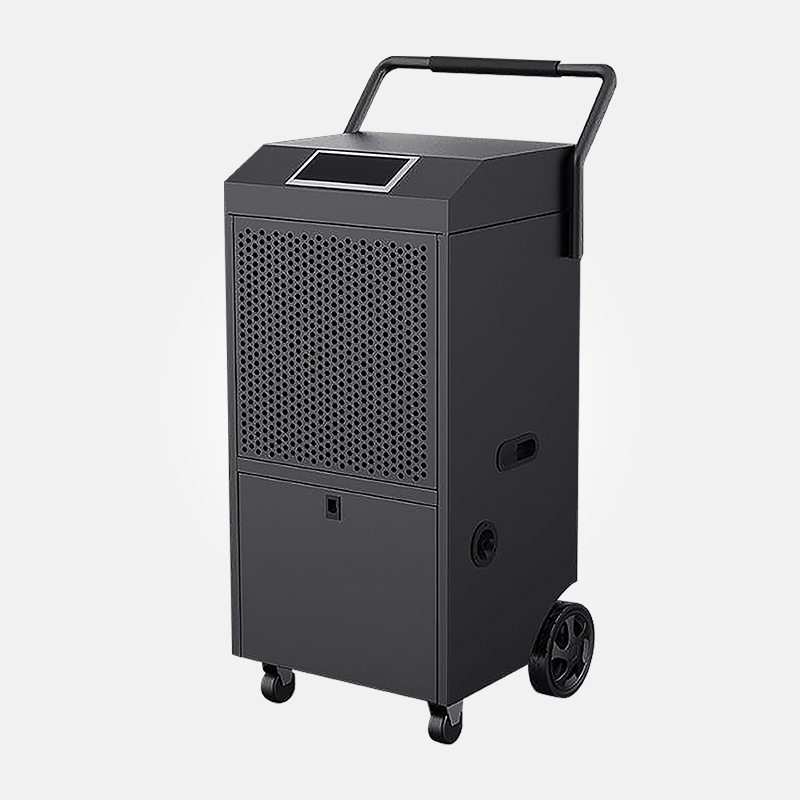
Ducted dehumidifiers leverage existing HVAC air distribution channels to treat return air before recirculation. This prevents redundant air handling and ensures moisture removal occurs alongside temperature adjustments. Key integration features include:
- Shared airflow pathways that eliminate the need for separate ductwork
- Unified control systems enabling simultaneous humidity and temperature adjustments
- Pressure-balanced operation to avoid overloading HVAC fans
By maintaining 40–60% relative humidity (the ASHRAE-recommended range for indoor environments), integrated systems reduce HVAC runtime for cooling while preventing mold-friendly conditions.
Growing Demand for Unified Humidity and Temperature Control in Modern Buildings
Over 68% of commercial facilities now prioritize humidity control to meet health and safety standards (National Institute for Occupational Safety, 2023). This shift is driven by three factors:
- Health mandates: Hospitals and schools require <60% RH to inhibit pathogen survival
- Material preservation: Museums and data centers need ±5% humidity stability
- Energy codes: Updated ASHRAE 90.1-2022 standards reward hybrid HVAC-dehumidifier configurations with 15–25% energy savings
Advanced buildings now treat humidity control as foundational rather than supplemental—a trend amplified by stricter indoor air quality (IAQ) regulations post-pandemic.
How Dehumidification Systems Enhance HVAC Performance Without Overloading
Static Pressure Considerations in HVAC Integration
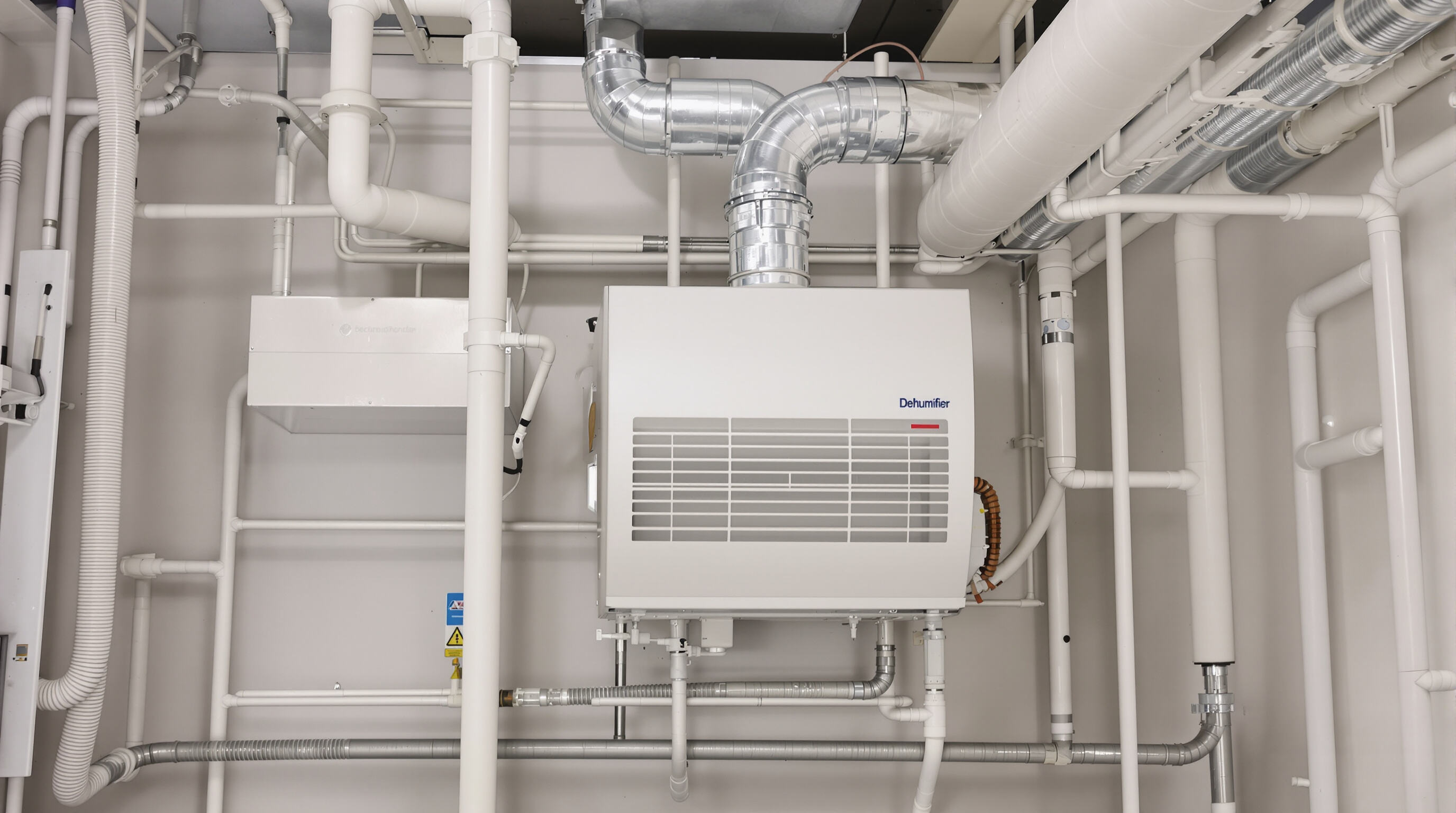
Getting dehumidification systems to work well with existing HVAC setups depends heavily on managing static pressure correctly. Newer system designs incorporate airflow paths that offer less resistance, which helps keep everything balanced so the blower motor doesn't have to work overtime. When ductwork is configured according to those industry guidelines everyone follows (like what ASHRAE recommends), it actually puts less stress on all the moving parts inside the HVAC unit. At the same time, this approach keeps fresh air circulating at just the right rate, typically around four air changes per hour or better. Most technicians will tell you this balance between efficiency and performance makes all the difference in long term system reliability.
Dehumidifier Operation Independent of Air Conditioner for Optimized Control
Modern dehumidifiers work separately from regular cooling systems, so they can tackle humidity while still managing room temperatures effectively. The fact that these units aren't tied to AC systems solves a big problem many buildings face when trying to control dampness. Air conditioners often end up making rooms too cold just to get rid of moisture, which wastes a lot of power. According to industry data from last year, this kind of overcooling actually raises energy bills by somewhere between 15% and 20%. What makes these standalone dehumidifiers really useful is their ability to hit specific humidity targets around 45% to 50% relative humidity without messing with what the thermostat says. This means building managers don't have to compromise on comfort levels just to keep things dry.
Energy Efficiency and Reduced Strain on HVAC Systems
Integrated dehumidification reduces HVAC runtime by 30–40% in humid climates by eliminating moisture-driven thermal load spikes. The table below illustrates operational improvements observed in a 12-month study of hybrid systems:
| Metric | Standalone HVAC | HVAC + Dehumidifier | Improvement |
|---|---|---|---|
| Monthly kWh Usage | 1,850 | 1,320 | 29% – |
| Compressor Cycles/Day | 48 | 32 | 33% – |
| Avg. Humidity Levels | 63% RH | 47% RH | 16% – |
This symbiotic relationship extends equipment lifespan while maintaining IAQ (Indoor Air Quality) parameters within OSHA-recommended ranges, demonstrating how strategic dehumidification integration protects HVAC investments without compromising performance.
Smart Integration: Coordinating Dehumidification and HVAC for Optimal Climate Control
Advancements in Dehumidifier and HVAC System Coordination
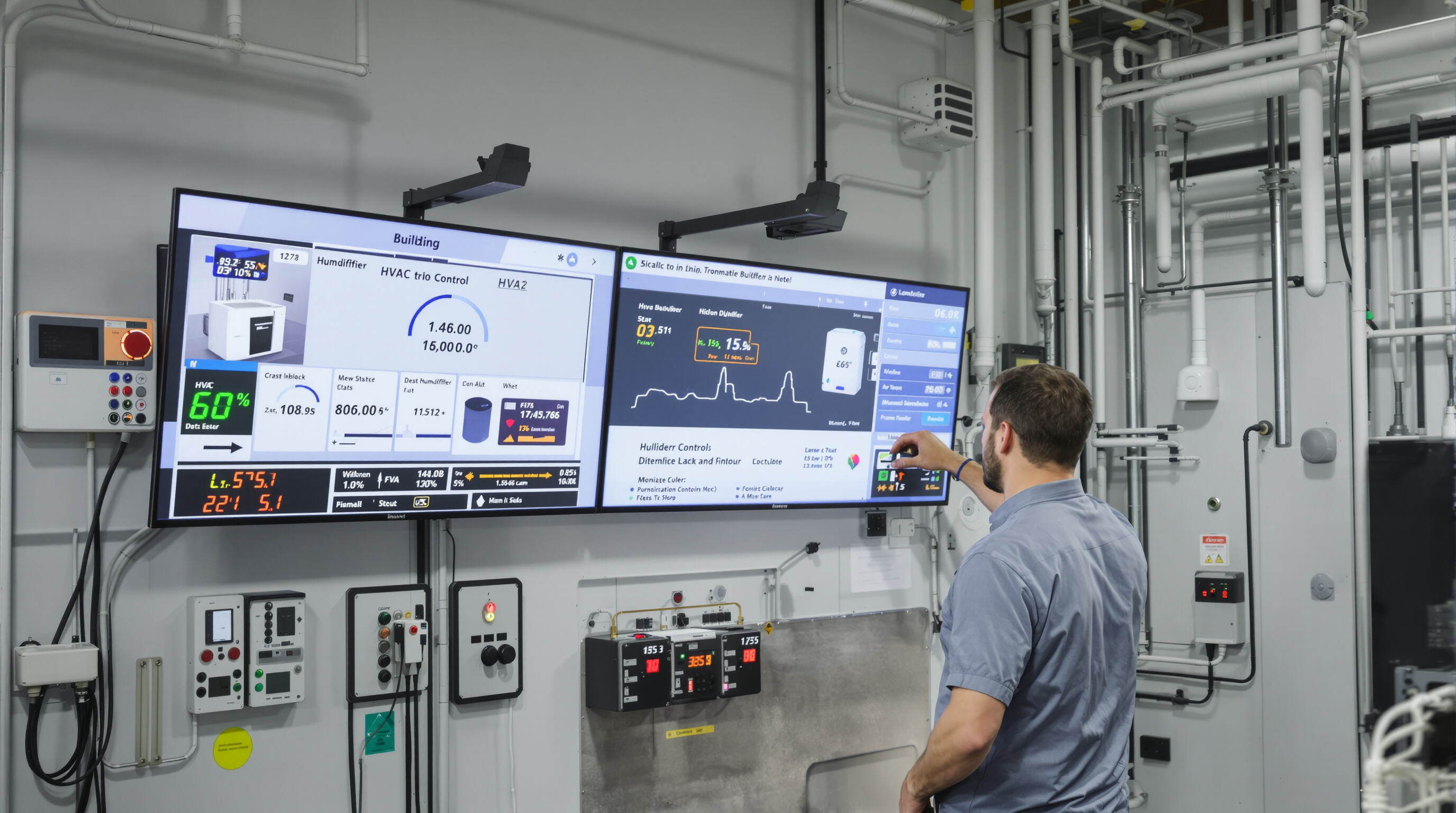
Modern dehumidification systems now leverage IoT-enabled protocols to synchronize seamlessly with HVAC operations. This integration eliminates redundant cycles, allowing both systems to share real-time humidity and temperature data. For example, when outdoor humidity spikes, dehumidifiers pre-emptively reduce moisture intake, while HVAC units adjust airflow to maintain equilibrium.
Smart Sensors and Adaptive Humidity Management
Modern dehumidifiers come with these fancy multi point smart sensors that can actually pick up on really tiny changes in humidity levels down around plus or minus 2% relative humidity. What this means is they can make those fine tuned adjustments when needed. The best part? These same sensors work right alongside existing HVAC systems so they know exactly where to focus attention first. Think about places people constantly move through like building lobbies or data centers full of servers. They handle those spots while keeping nearby areas from getting too dry. According to some research out there, buildings that have invested in these smart climate control setups respond to sudden humidity shifts about 30 to 40 percent quicker than older systems working alone. Makes sense why more facilities are making the switch nowadays.
HVAC-Integrated Dehumidifiers: Bridging Climate Control and Humidity Management
Modern unified systems tackle both latent and sensible heat at the same time, which means HVAC units run about 25% less during those really humid summer months. This combined method stops buildings from getting too cold, something that wastes energy in older systems, while still keeping indoor humidity around the 45 to 55% range most people find comfortable according to standards set by organizations like ASHRAE. When businesses streamline their operations this way, they typically save between 18 and 32 cents each year for every square foot of space they manage, according to research published by Ponemon in 2023. These savings add up fast across large commercial properties.
Real-World Applications: Residential and Commercial Integration Success Stories
Residential Retrofit Using Dedicated Return to Supply Installation
In a home renovation project back in 2023, folks found out that adding dehumidification systems works pretty well with their current HVAC stuff without needing major construction changes. When they went with this special return-to-supply setup, the houses saw about 40% quicker moisture removal rates. Plus, the air still moved around nicely throughout the space. What's interesting is that none of the original ducts had to be touched at all. This matches up with what came out in last year's HVAC Retrofit Efficiency Report too. They mentioned similar installations saved around 23% on energy costs overall. Makes sense really when thinking about avoiding those expensive system replacements just for better humidity control.
Commercial Building With Implementation of Industrial Dehumidifiers for Enhanced Control
A commercial building covering around 125,000 square feet located in a region known for its high humidity managed to cut down on HVAC energy usage by nearly 18 percent after they installed some serious industrial dehumidifiers. These systems kept the air at less than 50% relative humidity throughout all seasons, and still let them tweak temperatures via their building control system when needed. The people running the facility noticed something interesting too - there were about 37% fewer problems related to humidity in the first year the new system was running. This shows how well these dehumidification units actually work alongside what was already there without causing any major headaches for maintenance staff.
Measured Improvement in Indoor Air Quality Through Dehumidification
Air quality tests done after installing new systems in 42 different buildings showed pretty impressive results: about half fewer mold spores floating around and nearly 30% less VOCs when the dehumidifiers worked together with the existing HVAC units. The numbers check out according to what the Indoor Air Quality Association updated last year in their standards. What this means for building managers is that keeping humidity levels between those healthy ranges recommended by ASHRAE (around 30 to 50% RH) becomes much easier without putting extra strain on ventilation systems that already have their hands full.
Long-Term Benefits: Health, Efficiency, and Cost Savings Through Optimal Humidity
Benefits of Maintaining Optimal Humidity Levels (30–50%)
Controlling humidity isn't just about making people comfortable inside buildings either. It actually plays a big role in keeping structures healthy overall. When indoor humidity stays around 30 to 50 percent, studies show we can cut down on airborne allergens by roughly 35 percent and viruses tend to survive less than half as long (Indoor Air Quality Association found this back in 2023). Plus, staying within that sweet spot helps stabilize what temperatures actually feel like inside spaces. That means heating and cooling systems don't have to work quite so hard all the time, running about 8 to 12 percent better efficiency while still keeping occupants happy. Buildings that stick to these guidelines typically save somewhere between 18 and 22 cents per square foot each year simply because their HVAC equipment runs less often.
Prevention of Mold and Mildew Growth Using HVAC-Integrated Dehumidifiers
Most mold spores start growing when humidity gets over 60%, something that integrated HVAC dehumidifiers stop from happening. These systems work constantly to pull out extra moisture before it even reaches the air handlers, cutting down on mold cleanup expenses by around three quarters versus regular standalone units according to the Building Safety Journal last year. The benefits go beyond just avoiding mold problems too. Keeping buildings dry helps protect their structure overall. Moisture damage to wood is actually responsible for about 40% of all repair work needed on commercial building exteriors every single year.
Long-Term Cost Savings and System Longevity Through Humidity Management
Putting dehumidification systems into place really cuts down on HVAC wear since they take care of around 70 to 85 percent of the hidden heat problems, which means compressors run about 22% less often. The result? Most HVAC units last 15 to 20% longer before needing replacement, and maintenance bills drop between 9 and 14% over ten years. When businesses actually install proper humidity control measures, they tend to see emergency repair calls fall by roughly 31%. For most facilities, the return on investment comes pretty quickly too, usually within just under three years when factoring both the money saved on energy and the reduced downtime from breakdowns.
FAQ
Why is it important to integrate dehumidification systems with HVAC?
Integrating dehumidification with HVAC is important for comprehensive climate control, enhancing comfort, protecting equipment, and improving energy efficiency without major infrastructure changes.
How does a dehumidifier operate independently of an air conditioner?
Modern dehumidifiers work separately from regular cooling systems to effectively manage humidity without altering room temperatures, avoiding the energy waste of overcooling.
What are the benefits of maintaining optimal indoor humidity levels?
Keeping indoor humidity levels between 30-50% helps reduce allergens, prolongs HVAC lifespan, boosts efficiency, and cuts down on energy costs.
How do dehumidification systems affect HVAC energy usage?
Integrated dehumidification systems reduce HVAC energy usage by managing humidity-related thermal loads, thus improving operational efficiency and lifespan.
What impact can dehumidification systems have on indoor air quality?
By maintaining optimal humidity levels, dehumidification systems reduce mold spores and VOCs, thus enhancing indoor air quality.
Table of Contents
- How Our Dehumidification Systems Integrate Seamlessly with Your Existing HVAC
- How Dehumidification Systems Enhance HVAC Performance Without Overloading
- Smart Integration: Coordinating Dehumidification and HVAC for Optimal Climate Control
- Real-World Applications: Residential and Commercial Integration Success Stories
- Long-Term Benefits: Health, Efficiency, and Cost Savings Through Optimal Humidity
-
FAQ
- Why is it important to integrate dehumidification systems with HVAC?
- How does a dehumidifier operate independently of an air conditioner?
- What are the benefits of maintaining optimal indoor humidity levels?
- How do dehumidification systems affect HVAC energy usage?
- What impact can dehumidification systems have on indoor air quality?
